Est. 2009
GoldHot

Premium · Manufactured · Guangdong

GoldHot
GoldHot

Direct contact

redowan@gh-goldenhot.com+86 188 2417 8258 · WhatsAppSign in · Buyer or Admin
How to Clean a Towel Warmer (and Make It Last 10 Years)
Maintenance · June 2026 · 6 min read

How to Clean a Towel Warmer (and Make It Last 10 Years)

How to clean a towel warmer: the weekly, monthly, and annual care that takes it from a 3-year disposable to a 10-year fixture — plus signs to call service.

How to clean a towel warmer: wipe it weekly with a soft microfibre cloth, descale monthly with diluted vinegar in hard-water areas, and check the electrical connection once a year. How to clean a towel warmer is the whole routine — about fifteen minutes a year. An electric towel warmer has no moving parts and no plumbing, so towel warmer maintenance is minimal. But that small effort is the difference between a unit that looks new at year ten and one that looks tired at year three.

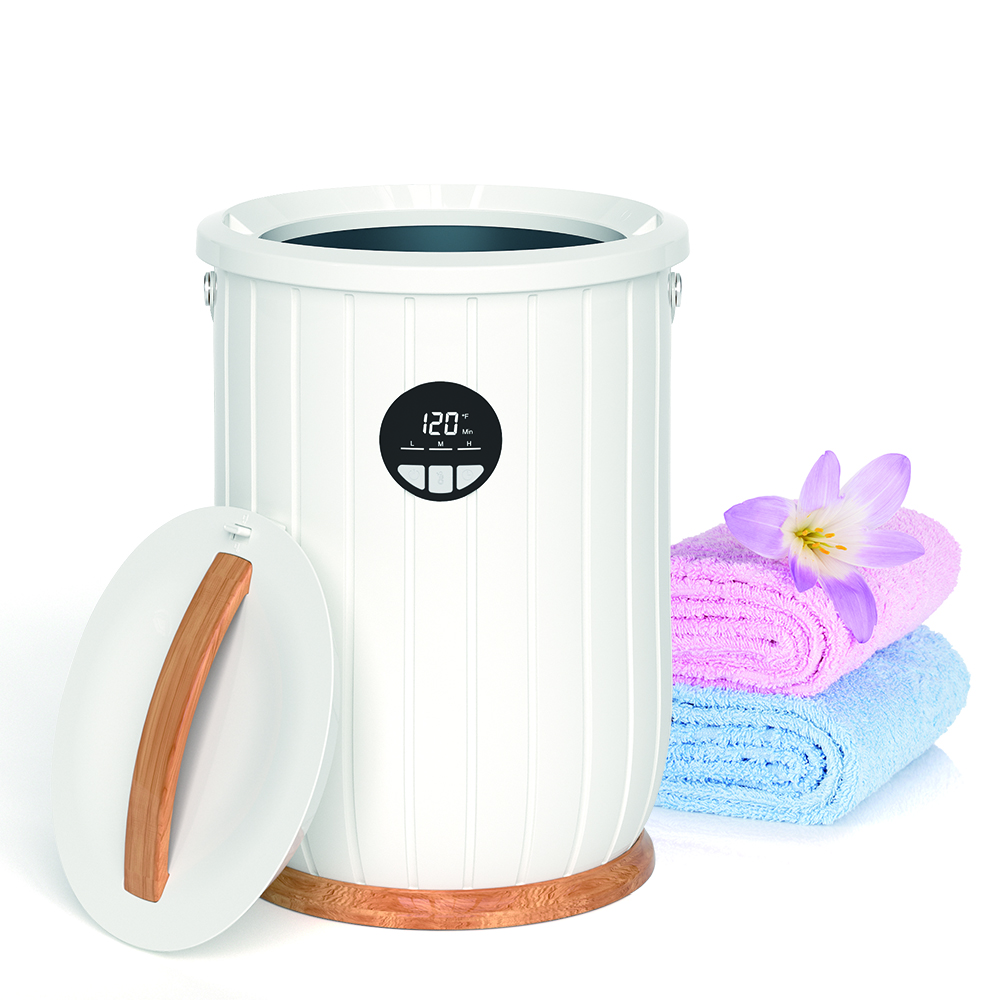
How to clean a towel warmer — soft microfibre cloth in the direction of the grain on stainless steel

How to clean a towel warmer week to week

Specifically, once a week, wipe the surface with a soft microfibre cloth. This removes the light mineral film from bathroom humidity. For brushed stainless, wipe in the direction of the grain. For matte black or powder-coat, any direction is fine.

However, avoid abrasive cleaners, scouring pads, and anything chlorine-based. Chlorine bleach attacks the stainless steel passive layer. It causes pitting. A damp microfibre cloth handles 95 percent of cleaning. Meanwhile, a drop of mild dish soap deals with stubborn marks. Indeed, there is no daily maintenance. Beyond keeping a soaking-wet towel off the controls.

Monthly — descaling in hard-water areas

For example, in hard-water regions, mineral deposits build where water splashes and dries. Once a month, wipe with a 1:4 white-vinegar-to-water solution, then wipe clean with plain water. This descaling dissolves the calcium before it forms a visible film. In contrast, soft-water areas can skip it. The giveaway is white crust around your taps — if that exists, your warmer needs the monthly vinegar wipe.

Annually — the electrical inspection

Meanwhile, once a year, visually check the electrical connection. For a fused spur, confirm the isolation switch works and there is no discolouration — discolouration signals a loose connection generating heat. For a plug-in unit, check the plug and cable. If you see scorching or smell burning during operation, stop. Then call an electrician. This electric appliance service check is rare to act on, but worth doing deliberately.

The five signs it's time to call for service

  • New uneven heating — a unit that used to heat evenly and now has cold spots may have a failing element.
  • Repeated GFCI/RCD trips — a developing ground-fault, possibly water ingress. A safety issue, not a nuisance.
  • A persistent burning smell — a faint first-use dust smell is normal; a lasting one during operation is not.
  • Discolouration at the connection — a loose connection generating heat. Electrician work, promptly.
  • Smart control lost permanently — try the reset; if it persists, it is a service call.

Frequently asked questions

How do you clean a stainless steel towel warmer?

Wipe it weekly with a damp microfibre cloth in the direction of the grain. For stainless steel care, never use scouring pads or chlorine bleach — they pit the surface. A drop of mild dish soap handles stubborn marks.

How do you descale a towel warmer?

In hard-water areas, wipe the unit monthly with a 1:4 white-vinegar-to-water solution, then rinse with plain water. This descaling removes mineral film before it sets. Use vinegar on stainless only — never on a brass-coated finish.

How long does an electric towel warmer last?

A quality unit maintained this way runs a full 10 year life. Without a component failure. A cheap unit, even well cared for, usually needs replacing at three to five years because it was engineered to a shorter life.

Should you repair or replace a towel warmer?

Repair if the fault is a serviceable part — thermostat, control board, or gasket — and the unit is in warranty. Replace if a non-serviceable heating element fails, or if the repair cost approaches half the replacement cost.

What we build for longevity

The GoldHot line is engineered for a 10 year life — 1.0 to 1.2 mm wall 304-grade stainless, serviceable thermostats and control boards, and replaceable gaskets and hinges on the cabinet models. Every unit ships with a care card covering this routine, and the 5-year warranty covers component failures within that window. For finish care, replacement parts, or commercial service contracts, the account team in Dongguan handles support directly.

End of articleContinue reading