
2026년 대량용 수건 따뜻이기기 가격: 200개, 1,000개, 5,000개 단위별 실제 가격
2026년 골드핫 Bulk 타월워머 가격 - 200, 1,000, 5,000개 단위별 실 지불 단가, 마감 프리미엄, 컨테이너 수량 계산 및 2026년 관세 영향 실 지불 단가 - 200개 단위 : 2513B 모델의 실 지불 단가는 120 달러입니다.
Bulk towel warmer pricing in 2026
_bulk towel warmer pricing in 2026 runs US$42 to US$110 ex-works for standard rails depending on volume and finish, with the per-unit curve dropping only 20 to 25 percent from 200 to 5, 000 units because the bill of materials, not labour, dominates the cost.
Distributors expect steeper volume discounts than the stainless-and-electronics cost structure can support. Specifically, this is the working pricing map a wholesale buyer should hold against any 2026 quotation.
The numbers below are working figures from the Dongguan manufacturing side, current to mid-2026. A disclaimer: prices move week to week with stainless steel, copper, and freight indices. Use these to calibrate the offers in front of you, not to budget to the dollar.
2. Bulk towel warmer pricing: the ex-works tier table
Specifically, the starting point is the ex-works (EXW) unit price, the factory-gate cost before freight, duty, or distributor margin. For brushed stainless 304, smart-controlled, ETL · CE · PSE compliant, the per-unit ex-works numbers sit at:
- Compact rail (120 W, 400 × 800 mm), US$48 to US$72 at 200 units; US$42 to US$62 at 1, 000; US$38 to US$56 at 5, 000.
- Standard rail (160 W, 600 × 1, 000 mm), US$72 to US$110 at 200 units; US$64 to US$96 at 1, 000; US$58 to US$86 at 5, 000.
- Ladder (200 W, 500 × 1, 400 mm), US$130 to US$185 at 200 units; US$115 to US$165 at 1, 000; US$105 to US$148 at 5, 000.
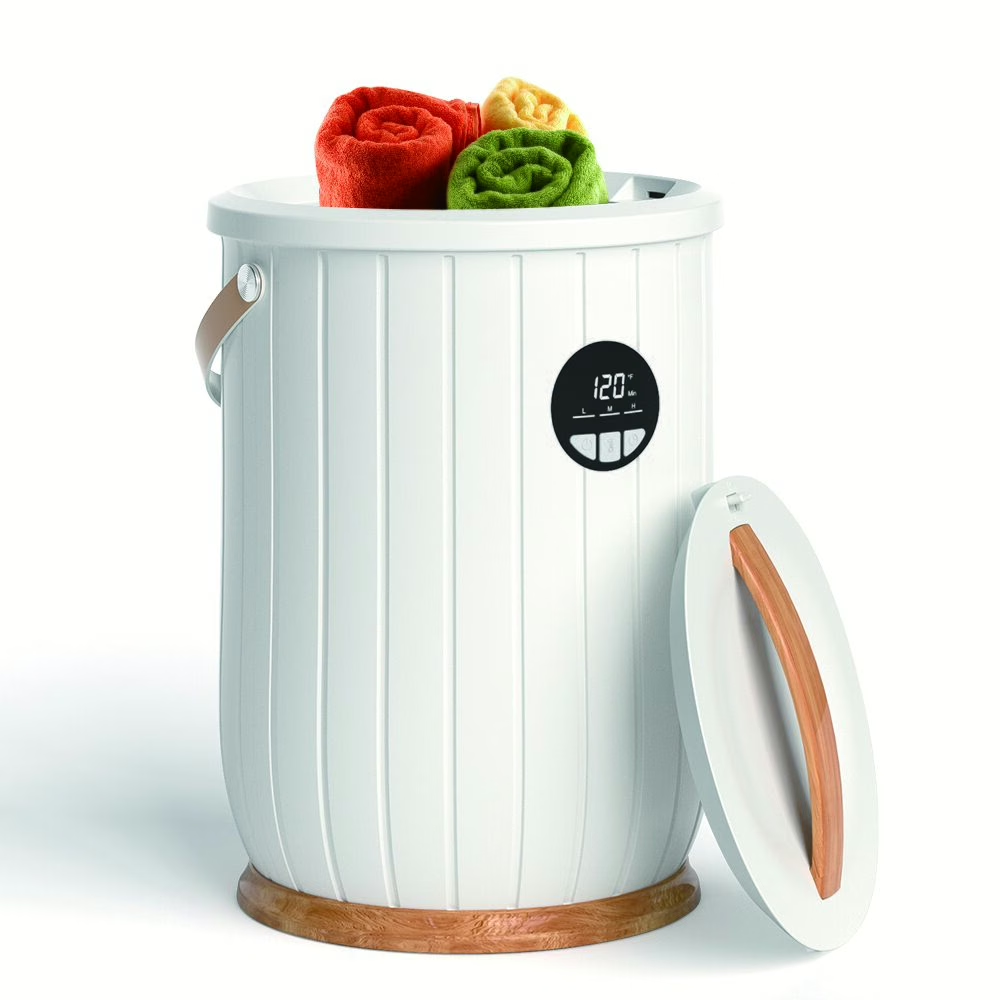
- Bucket cabinet (18-towel, 200 W), US$165 to US$240 at 200 units; US$148 to US$215 at 1, 000; US$135 to US$195 at 5, 000.
- Spa cabinet (24-towel, 350 W), US$310 to US$440 at 100 units; US$280 to US$395 at 500; US$255 to US$360 at 2, 000.
2. Finish premiums on top of the base
However, the base prices above assume brushed stainless. Other finishes carry a real cost, not a margin grab:
- Polished stainless, adds 3 to 6 percent. Extra polishing step and a tighter QC reject rate.
- Matte black powder-coat, adds 5 to 9 percent. Paint-line changeover and curing time.
- Matte white powder-coat, adds 4 to 8 percent. Slightly cheaper than black because the colour-shift QC is less critical.
- Brass-coated stainless, adds 18 to 28 percent. The electroplating process is involved and the reject rate is genuinely higher.
- Custom Pantone, adds 8 to 14 percent. Paint mixing and a longer line changeover.
- Two-tone, adds 12 to 18 percent. Two paint passes and masking.
2. Container math for bulk towel warmer pricing at 200, 1, 000, and 5, 000 units
For example, the physical container constrains the order size in ways most buyers ignore. A 40-foot high-cube container holds approximately:
- 600 to 900 standard rails (varies by carton size and packing).
- 900 to 1, 200 compact rails.
- 300 to 450 bucket cabinets (the cabinets eat the cube fast).
- 200 to 300 spa cabinets (largest, most volumetric).
2. Freight in 2026: the post-spike normal
Meanwhile, ocean freight has normalised from the 2021-2023 spike but settled above pre-pandemic levels. For a 40-foot HC container leaving Shenzhen Yantian or Shekou in mid-2026:
- US West Coast (LA/LB): US$2, 400 to US$3, 600.
- US East Coast (NY/Savannah): US$4, 200 to US$5, 800.
- Northern Europe (Rotterdam, Hamburg): US$3, 200 to US$4, 800.
- UK (Felixstowe, Southampton): US$3, 400 to US$5, 000.
- Australia (Sydney, Melbourne): US$1, 800 to US$2, 800.
- UAE (Jebel Ali): US$2, 200 to US$3, 200.
2. The 2026 tariff layer
However, the tariff is the variable that moves most year to year. US Section 301 duties on Chinese electrical goods remain in effect and apply to towel warmers under HTS 7321 or 8516 depending on classification. Specifically:
- US Section 301 duty: 7.5 to 25 percent on ex-works value, depending on HTS code and any 2026 review outcomes.
- EU CBAM (Carbon Border Adjustment): adds a modest embedded-carbon cost on the steel content, US$0.40 to US$1.20 per rail in 2026.
- UK Global Tariff: 0 to 2 percent for most electrical categories.
- Australia-China FTA: 0 percent under ChAFTA for qualifying origin.
- UAE: 5 percent standard tariff.
- Brazil: 14 to 18 percent plus IPI.
2. The full landed-cost model at three volumes
For example, for a US East Coast importer of brushed stainless standard rails:
- At 200 units (LCL shipment):
- Ex-works: US$90
- LCL ocean freight: US$9.50
- Insurance, handling: US$3.00
- US duty at 7.5%: US$6.75
- Brokerage, port fees: US$4.50
- Landed cost: ~US$113.75 per unit
- At 1, 000 units (1.3 containers):
- Ex-works: US$80
- Ocean freight: US$6.70
- Insurance, handling: US$2.50
- US duty at 7.5%: US$6.00
- Brokerage, port fees: US$3.00
- Landed cost: ~US$98.20 per unit
- At 5, 000 units (6.5 containers):
- Ex-works: US$72
- Ocean freight: US$6.20
- Insurance, handling: US$2.20
- US duty at 7.5%: US$5.40
- Brokerage, port fees: US$2.50
- Landed cost: ~US$88.30 per unit
2. Where bulk towel warmer pricing discounts actually come from
However, the wholesale buyer who pushes for a steeper discount should understand where the manufacturer can and cannot move on bulk towel warmer pricing. The compressible costs are: labour per unit (modest), tooling amortisation (significant on the first run, marginal thereafter), and packaging unit cost (modest). The incompressible costs are: stainless steel, copper wiring, the heating element, the controller PCB, the carton fibre, the bill of materials. Specifically, asking for 40 percent off list at 5, 000 units is asking the manufacturer to lose money. A serious distributor negotiates the finish mix, freight terms, and payment terms instead.
2. Frequently asked questions
3. What is the MOQ for bulk towel warmer pricing?
200 units per SKU at standard finish. Lower MOQ from a supplier is usually stock-resale rather than a fresh production run. The 200-unit floor reflects the paint-line and assembly-line changeover economics, below that, the per-unit cost rises sharply.
3. How much can I save with bulk towel warmer pricing at 5, 000 units versus 200?
Roughly 20 to 25 percent on the ex-works price and 18 to 22 percent on the landed cost. The volume curve is flatter than most buyers expect because materials dominate the cost structure. A flatter curve means the right buying decision is around 600 to 900 units (one full container) for most distributors.
3. What is the difference between FOB and landed cost?
FOB is the price of the unit loaded onto the vessel at the origin port, Yantian or Shekou for a Dongguan factory. Landed cost adds ocean freight, insurance, import tariff, and brokerage to give the per-unit cost at your warehouse, the number that should drive your distributor pricing.
3. How much do 2026 US tariffs add to bulk towel warmer pricing?
US Section 301 adds 7.5 to 25 percent on the ex-works value, depending on HTS code and any 2026 review outcomes. Confirm your exact code with a customs broker before modelling the landed cost, the difference between 7.5 percent and 25 percent is decisive for distributor margin.
3. Which finish gives the best margin at wholesale?
Brushed stainless gives the best per-unit margin because the finish premium is zero and the retail price holds steady. Matte black retails 15 to 25 percent above brushed at only a 5 to 9 percent finish premium, the best margin-expanding finish. Brass-coated retails 35 to 60 percent above brushed but the 18 to 28 percent finish premium is real cost.
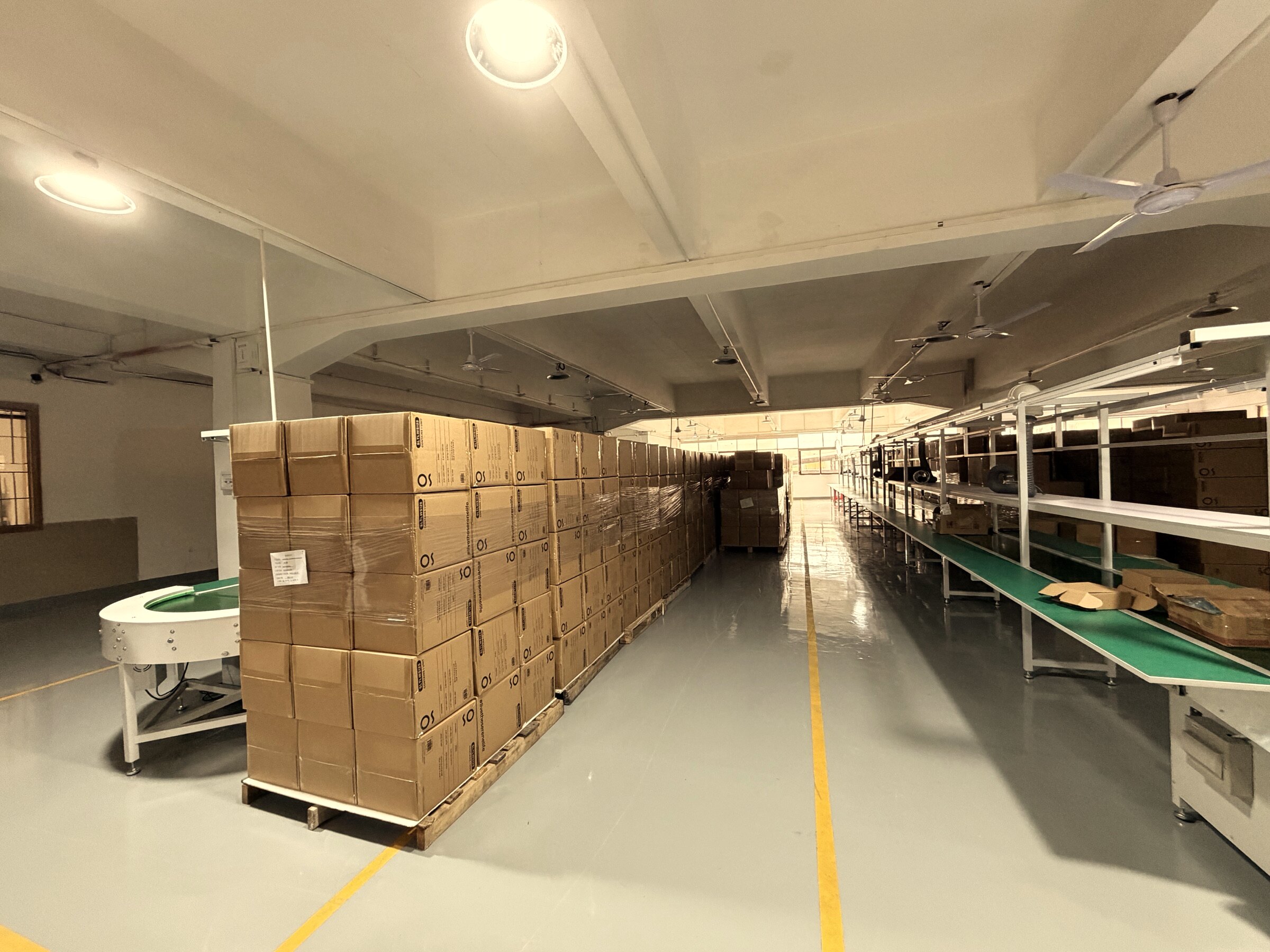
2. How GoldHot quotes the bulk program
Ultimately, GoldHot's wholesale program quotes transparently across the tier table above, with finish premiums and lead times stated upfront. MOQ is 200 units per SKU; samples ship in 7 to 14 days; production runs 25 to 35 days for stock-finish orders and 30 to 50 days for custom finishes. ETL · UL · CE · FCC · PSE · UKCA are held in the GoldHot manufacturing entity and shipped with test report PDFs against the production batch. The Dongguan team returns a full landed-cost worksheet, covering ex-works, finish premium, container packing, freight to the destination port, insurance, tariff, and brokerage, within a working day against the buyer's volume, finish mix, and destination. The factory floor, 350-plus staff across 20, 000 m² in Houjie, Dongguan, founded 2009, runs the wholesale program at 28 SKUs across 30 markets. Bulk towel warmer pricing is best handled as a worksheet, not a single number, because the volume, finish, freight, and tariff variables compound. The team builds the worksheet against the buyer's real procurement constraints.