
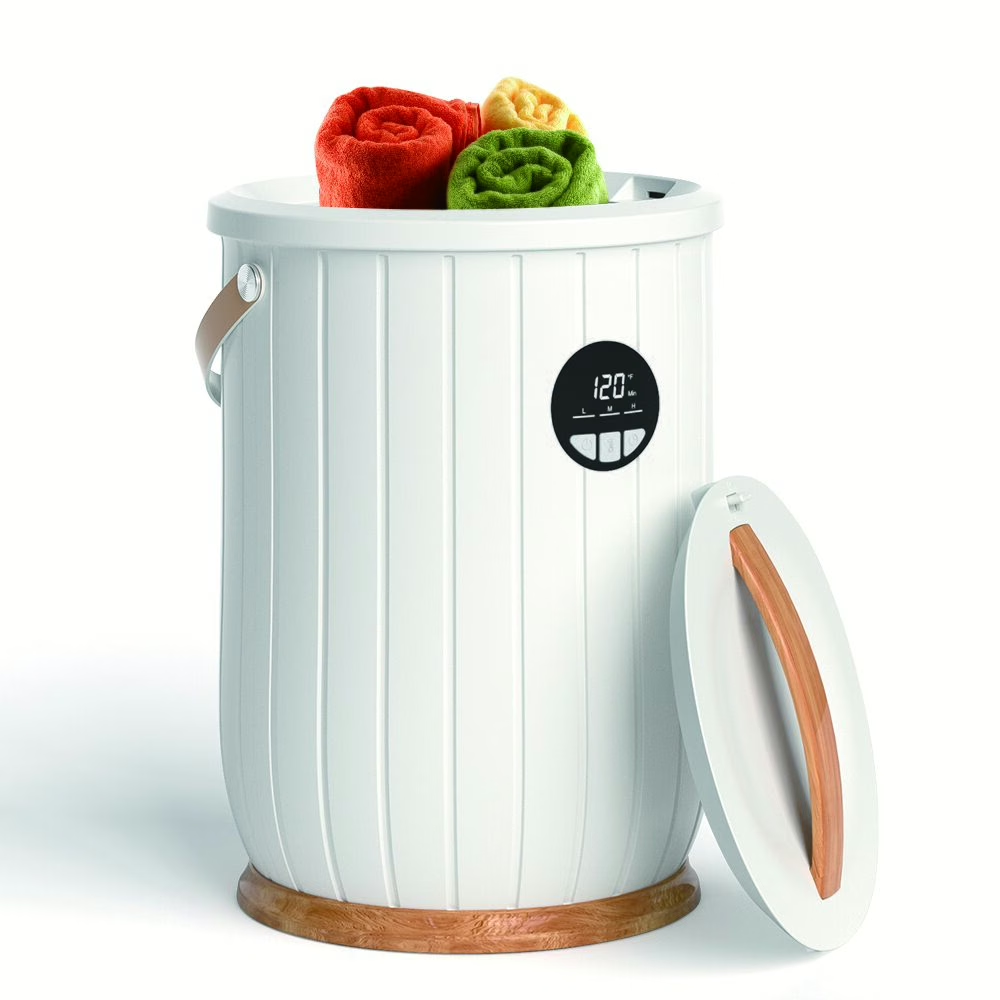
골드핫(GoldHot) 2026년 프라이빗 레이블 타월워머 브랜드 런칭 전략서
2026년 아마존 프라이빗 레이블 타월워머 출시 - 원산지, 인증, 목록 경제, 실질적인 수치 FBA 판매자가 대비해야 할 것들.
.amazon private label towel warmer launch in 2026 lands at roughly US$118 to US$142 fully landed including FBA prep and inbound freight, against a working retail of US$229 to US$329, a contribution margin of 22 to 34 percent after FBA fees, PPC, and returns reserve.
2. Why the category fits private label in 2026
For example, the towel warmer category has three properties that make it work for a private-label launch. Specifically, the unit is not catalogue-commoditised, buyers compare on finish, smart features, and rated wattage rather than line-matched SKUs. Meanwhile, the category sits in a US$140 to US$340 retail band where Amazon's FBA economics work cleanly. And the search demand is steady year-round with a Q4 lift, not a single-season spike that strands inventory. In contrast, a launch in a saturated commodity like phone cases gets benchmarked nightly against ten competitor pages and the contribution margin collapses.
2. The landed-cost build for an FBA seller
Specifically, for a 500-unit launch order of a 160 W brushed-stainless smart rail with private-label packaging into a US Amazon fulfilment centre:
- Ex-works Dongguan, US$84 per unit (private-label packaging premium adds about US$4 over white-label).
- Ocean freight + insurance, US$8.40 per unit on a half-container quantity.
- US duty at 7.5 to 25 percent, US$6.30 to US$21 per unit depending on the HTS classification (confirm with a customs broker).
- FBA prep + inbound to fulfilment centre, US$4 to US$7 per unit.
- Landed cost at the FBA warehouse, US$103 to US$120 per unit on a 7.5 percent duty assumption.
Meanwhile, that is the cost before FBA fees, PPC, and returns reserve. The next section runs the listing-side economics.
2. The listing P&L: what FBA actually keeps
For a working US$269 retail listing of the unit above:
- Retail price, US$269.
- Amazon referral fee at 15 percent, US$40.35.
- FBA fulfilment fee (large standard, ~10 lb), US$13 to US$17.
- Storage and aged-inventory surcharge (blended), US$2 to US$5 per unit.
- PPC (sponsored products + sponsored brands at launch), US$22 to US$45 per unit blended over the first 90 days, dropping to US$12 to US$22 in steady state.
- Returns reserve (electrical, 4 to 7 percent return rate), US$11 to US$19 per unit.
- Landed cost, US$103 to US$120.
- Contribution margin per unit, US$59 to US$92 (22 to 34 percent) in steady state.
In contrast, the operator who skips the PPC and returns lines in the model gets a flattering pre-launch spreadsheet and a 9 percent net at month three. The honest model includes them from day one.
2. Specification choices that protect the margin
Specifically, four spec decisions move the listing's economics meaningfully:
- Wattage tier, a 120 to 160 W unit on smart control reads as efficient on the listing, holds against the "uses too much electricity" review complaint, and runs cooler so the return rate is lower.
- Finish, brushed stainless is the volume seller. Matte black is the second listing and reads as premium. Brass-coated bronze is the third listing and commands a US$80 to US$120 retail premium with a US$14 to US$22 ex-works finish-premium cost, the best margin variant.
- Smart control, Matter compliance future-proofs the listing against the 2027 to 2030 smart-home shake-out and reads as current in the listing comparison.
- Certification, ETL listed (with the lab name and file number on the unit) heads off the listing-suppression risk that hits uncertified electrical goods. UL is the alternative. Both work; CE alone is not enough for the US listing.
2. Brand Registry and the listing build
Meanwhile, the Brand Registry timeline runs parallel with the production timeline. Specifically, the trademark application takes 8 to 14 months to register in the USPTO but the "live application" status lets the seller enrol in Brand Registry on the application, so the work starts the day the order is placed. The listing build covers seven main images (the hero, the lifestyle, the in-use, the dimensions, the certification badge, the smart-control screen, and the warranty card), an A+ Content layout, a brand storefront, and a video. In contrast, the listing without A+ Content and a video converts 28 to 35 percent worse on this category than the listing with both.
2. The OEM-vs-white-label decision
However, the question every FBA operator wrestles with is whether to take a stock catalogue unit and slap a brand on it, or to OEM a private-spec'd unit. Specifically, the working answer is volume-dependent. Under 500 units per quarter, take a stock catalogue unit with private-label packaging, the per-unit cost is lower and the tooling risk is zero. Above 1, 500 units per quarter, OEM the unit with a tooled silhouette or smart-control panel that differentiates the listing on the product page. The middle range is a judgment call that hinges on how much the listing's photography and copy can differentiate the stock unit.
2. Frequently asked questions
3. How much does it cost to launch an Amazon private label towel warmer?
A 500-unit launch order with private-label packaging, ocean freight, US duty, FBA prep, and inbound runs roughly US$52, 000 to US$60, 000 in inventory cost. Add US$8, 000 to US$15, 000 for PPC over the first 90 days, US$1, 500 to US$4, 000 for listing photography and copy, and US$800 to US$2, 500 for trademark and Brand Registry work.
3. What is the MOQ for a private label towel warmer?
200 units per SKU at GoldHot. Most FBA launches start with 400 to 600 units across two SKUs (typically the brushed-stainless smart rail and a matte-black variant) to validate the listing economics before scaling.
3. Do I need ETL or UL certification for an Amazon towel warmer listing?
For the US listing, yes, Amazon increasingly suppresses uncertified electrical goods and the listing without a recognised mark sits at higher takedown risk. ETL or UL both work, with the lab name and file number on the unit and in the listing copy. CE alone is not sufficient for the US listing.
3. What gross margin should I plan for on an Amazon FBA towel warmer?
Contribution margin in steady state runs 22 to 34 percent on a US$229 to US$329 retail unit. Gross before PPC and returns is higher (38 to 48 percent) but the model that ignores PPC and returns reserves is the model that disappoints at month three.
3. How long from order to live Amazon listing?
About 16 to 22 weeks. Production runs 25 to 35 days. Ocean freight 25 to 35 days. FBA prep and inbound 7 to 14 days. The trademark and Brand Registry work runs parallel. Listing photography and copy take 3 to 6 weeks if started during production.
2. What GoldHot offers Amazon FBA operators
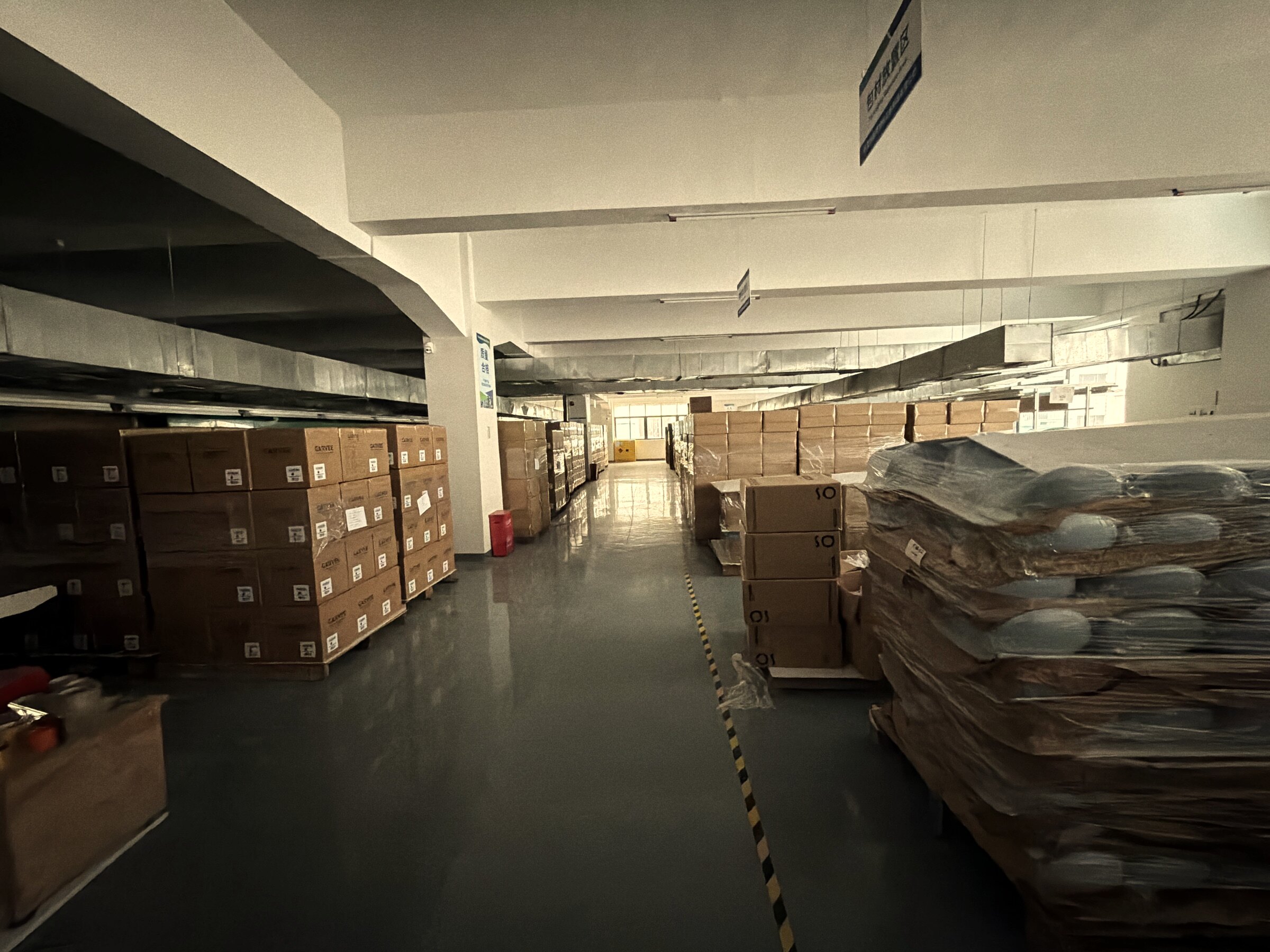
Ultimately, the line is set up to support the private-label launch rather than compete with it on Amazon directly. Specifically, no GoldHot-branded listings on Amazon US, EU, or UK, a 28-SKU catalogue across rails and cabinets to pick the listing from, ETL · UL · CE · FCC · PSE · UKCA across the 30 markets we ship into, MOQ 200 per SKU, 7 to 14 days for sample, 25 to 35 days for production, private-label packaging tooling included on the first run, and a Dongguan account team that returns a full landed-cost-plus-FBA worksheet against the operator's destination, volume, and finish mix within a working day. A new Amazon launch typically runs from first contact to first sale in 16 to 22 weeks.
content