
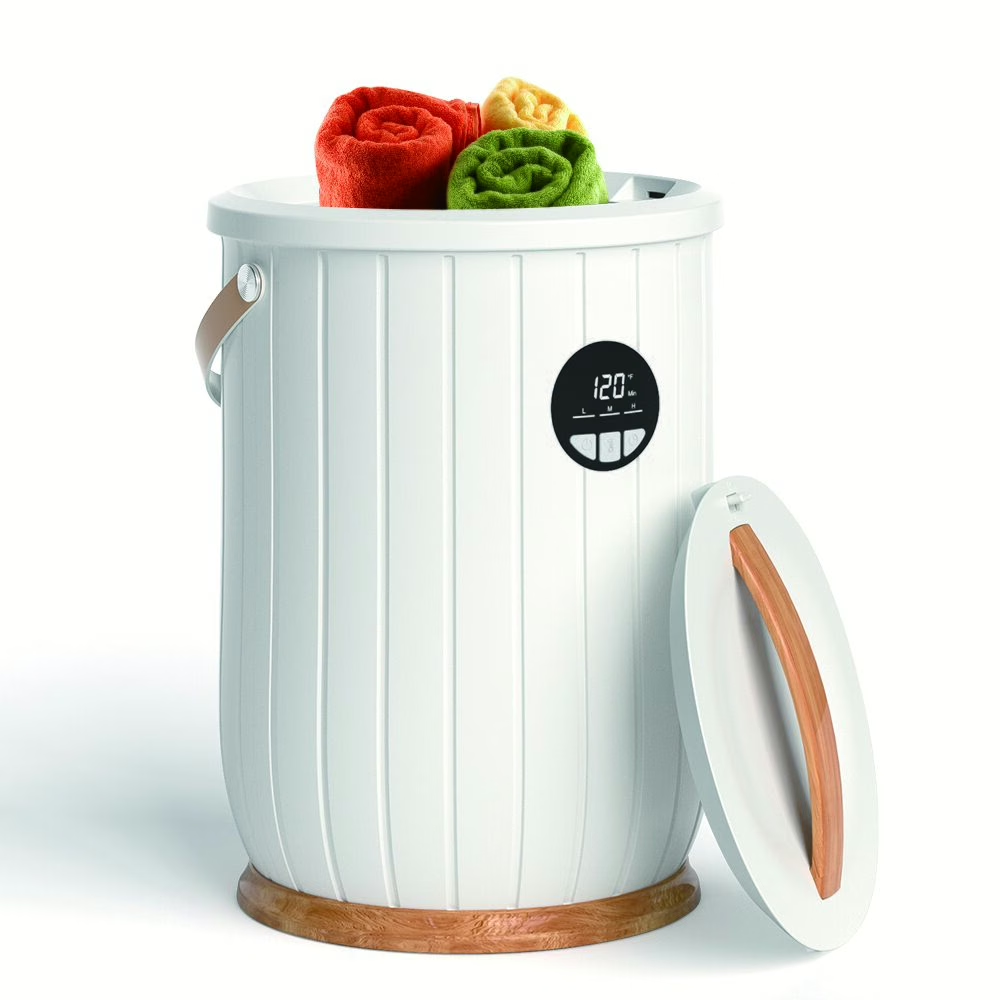
Towel Warmer Shipping & Incoterms: FOB vs EXW vs CIF for Bulk Orders
Towel warmer shipping incoterms broken down, FOB, EXW, CIF, DDP, with the real cost and risk trade-offs for first-time China bulk importers.
For a bulk towel warmer order from China, FOB is the default for most importers. EXW makes sense only if you already have a China-side freight forwarder, CIF buys risk transfer but rarely the best total cost. And DDP shifts the customs work onto the seller at a price premium of 4 to 8 percent. The incoterms choice on a 200 to 5, 000-unit container quantity moves landed cost more than the unit price negotiation does. And the wrong choice exposes the importer to costs and risks they did not budget. This is the working comparison for first-time China buyers and logistics managers.
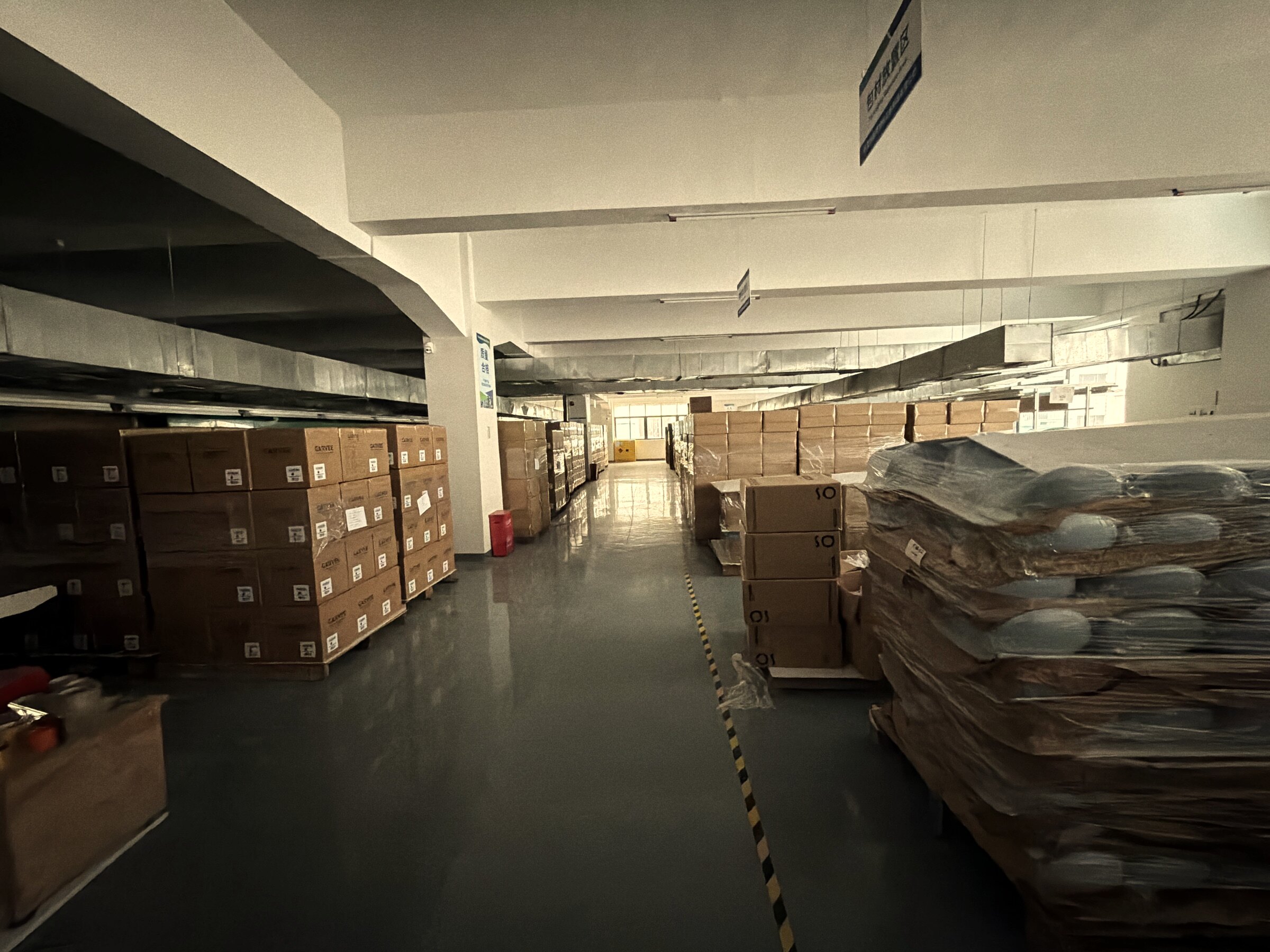
A towel warmer installs without plumbing and works year-round. This is the practical choice for most installs.
The four incoterms that matter for this category
We use 4 of 11 incoterms for towel warmer shipments from Dongguan factories.
- EXW (Ex Works), buyer collects from the factory, arranges everything from there. The lowest unit price quote. The most importer responsibility.
- FOB (Free On Board), seller delivers to the named origin port (typically Yantian, Shekou, Shenzhen, or Ningbo) and loads onto the buyer's vessel. The most common choice for this trade lane.
- CIF (Cost, Insurance, Freight), seller arranges ocean freight and minimum insurance to the named destination port. Risk transfers at the origin port, cost extends to destination.
- DDP (Delivered Duty Paid), seller delivers to the buyer's named place in the destination country, having paid the freight, insurance, import duty, and customs clearance. The most seller responsibility, the highest unit price.
In contrast, CFR, FAS, DAP, DPU. And the others occasionally appear but rarely fit the standard container-load towel warmer trade pattern. The four above cover 95 percent of the live decisions.
Why FOB is the default
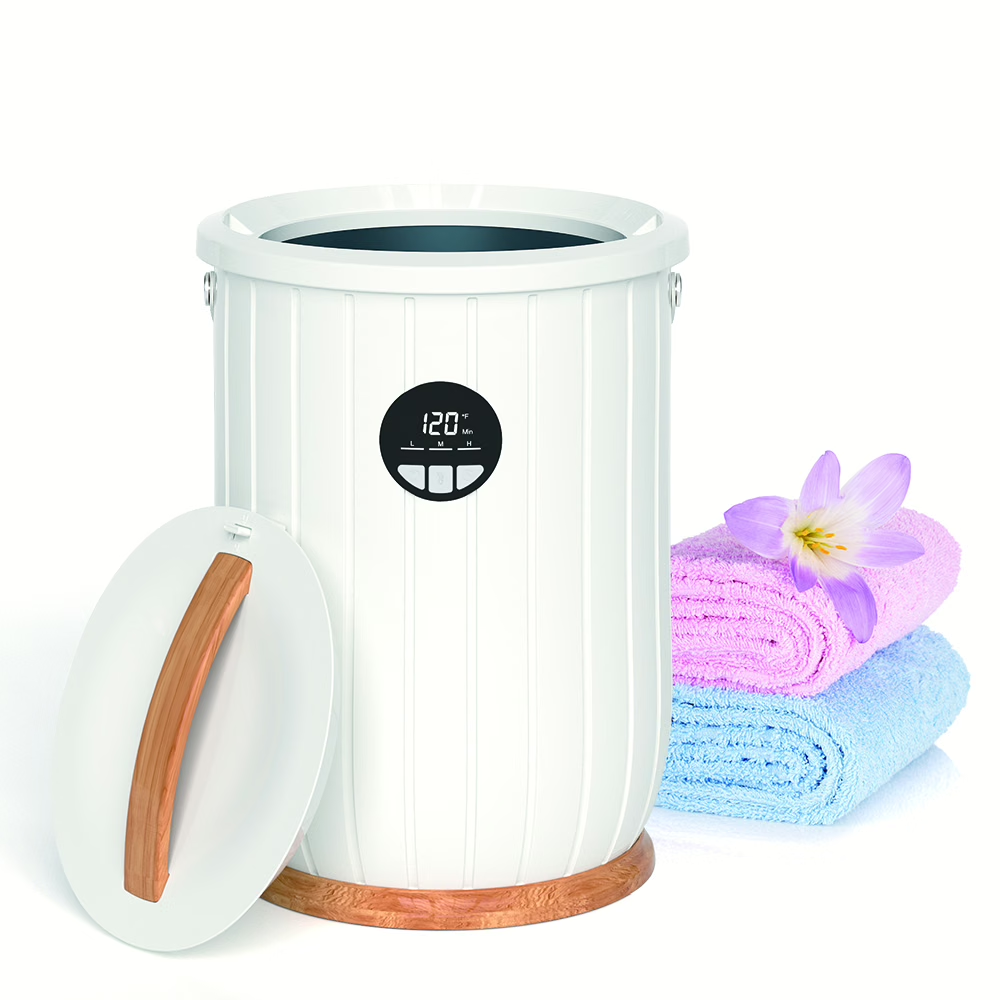
For example, FOB sits at the right balance for most first-time and repeat importers. Mostly, the seller handles the work in China. domestic transport from Dongguan to Yantian or Shekou, port handling, export clearance, loading. The buyer takes over at the rail of the ship. While, the buyer controls the ocean carrier choice, gets the actual freight cost transparently (rather than embedded in the unit price). And books insurance on the buyer's preferred terms. But the seller's freight cost on CIF is often higher than booking with a freight forwarder.
When EXW makes sense
While, EXW has one specific use case. Mostly, the buyer who already has an set China freight forwarder, a customs broker on the China export side. And the volume to justify the local infrastructure. For these buyers, EXW strips out the seller's quoted handling margin and the buyer's forwarder consolidates the load with other shipments. But the first-time importer pays US$4 to US$8 more per unit for trucking and port handling in China. And export docs costs. The "EXW saves money" math only works if the infrastructure is already in place.
CIF, the convenient trap
But, CIF is the term that catches first-time importers most often. Mostly, the seller quotes a CIF price that includes ocean freight and insurance to the destination port. The number looks tidy. In contrast, three problems hide in it. First, the seller's freight margin runs 8 to 18 percent above what the buyer would book directly. Second, the insurance is the ICC's minimum cover ("C" clause). Which excludes most of what actually goes wrong in a container shipment. Third, risk transfers at the origin port. so if the container goes overboard mid-ocean, the buyer's claim is against the buyer's policy. But the policy the buyer was told covered the shipment is the seller's minimum policy. The cleaner pattern is FOB with the buyer's own freight booking and the buyer's own ICC "A" or all-risks policy.
DDP, when it earns its premium
For some importers, DDP is the right call. Mostly, the small importer doing one container a year who does not want to build a customs and clearance capability. The buyer who needs the unit landed at a specific warehouse with a single invoice covering everything. The Amazon FBA operator who wants the inventory inbound to the fulfilment centre without touching the customs work. In contrast, DDP has two real risks. First, the duty figure the seller quotes assumes a specific HTS classification. if customs reclassifies, the cost split is contractually the buyer's. Second, the seller's customs broker may take valuation positions the buyer would not. DDP is convenient but worth running the math against FOB plus a competent local broker.
The cost walk: a working example
Mostly, for a 750-unit container of standard rails to a US East Coast port:
- EXW, US$78 per unit (factory gate, lowest sticker price).
- FOB Yantian, US$80 per unit (adds China-side trucking, port handling, export clearance).
- CIF New York, US$88 to US$92 per unit (adds ocean freight at the seller's margin and minimum insurance).
- DDP buyer's warehouse, US$104 to US$112 per unit (adds duty at HTS classification, brokerage, port fees, inland trucking).
FOB with buyer's freight costs about US$98 to US$102. This is comparable to or better than CIF. The buyer controls the carrier and insurance. And the visibility into where the container actually is.
Documentation that has to be right
But, the incoterms choice determines who prepares which documents. Mostly, every container shipment of towel warmers needs:
- Commercial invoice, itemised, with HTS code and country of origin.
- Packing list, carton-by-carton, gross and net weight, dimensions.
- Bill of Lading, ocean carrier's receipt and title document.
- Certificate of Origin, required for FTA preferential duty rates (China-Australia, China-ASEAN).
- Certifications, ETL, UL, CE, FCC, PSE, or UKCA copies for the destination market.
- MSDS / battery declaration, for the smart-control models with internal batteries (rare in this category but check).
In contrast, on FOB the buyer's customs broker prepares the destination entry. On DDP the seller's broker does. On EXW the buyer's forwarder handles everything from China-side onward. The documents need to be right regardless.
Buyer takeaway: Match the towel warmer spec to your market label rules. A cert is a snapshot. The real check is fit for the project, confirm wattage, voltage, plug type, and label scope before approval.
Reference: For the underlying electrical safety standards behind towel warmer, see NEMA and the IEC public catalogues.
Frequently asked questions
What does FOB mean for a towel warmer order?
FOB (Free On Board) means the seller delivers the cartons to the named origin port in China, usually Yantian, Shekou, Shenzhen. Or Ningbo, and loads them onto the buyer's nominated vessel. The buyer takes over the cost and risk at the ship's rail. It is the default term for container-load shipments from China.
Is EXW or FOB cheaper for a China towel warmer shipment?
EXW is about $2 to $4 per unit lower than FOB but only saves money if you have a China freight helper. And consolidation capability. First-time importers usually end up paying more under EXW once the unanticipated China-side handling is added.
Should I take CIF on a towel warmer order?
But, usually not. The seller's freight cost is 8 to 18 percent higher than direct booking. The insurance included is basic ICC "C" clause. And risk transfers at the origin port rather than the destination. FOB with the buyer's own freight and a proper all-risks policy is the cleaner pattern.
When does DDP make sense for a towel warmer importer?
We help small importers who buy one container a year. They get one invoice with all costs. And for Amazon FBA operators who want inventory inbound to the fulfilment centre without touching customs work. The DDP premium runs 4 to 8 percent over FOB plus a competent local broker.
What documents does the seller need to provide?
Commercial invoice, packing list, Bill of Lading, certificate of origin (for FTA preferential rates). And the relevant destination-market certs (ETL, UL, CE, FCC, PSE, UKCA). The documents need to be right regardless of incoterms. the incoterms choice determines who lodges the destination entry.
What GoldHot offers on shipping and incoterms
Also, in the end, the line ships FOB Yantian or Shekou by default, with EXW Dongguan, CIF. And DDP available against the buyer's preference. Mostly, the docs set is complete on every shipment, commercial invoice, packing list, Bill of Lading, certificate of origin. And the destination-market certs (ETL · UL · CE · FCC · PSE · UKCA). MOQ is 200 units per SKU. Sample in 7 to 14 days. Production in 25 to 35 days. The Dongguan account team can return a side-by-side EXW, FOB, CIF. And DDP quote against the buyer's volume, destination port. And HTS classification within a working day, so the incoterms decision is made on the working numbers rather than the sticker price.