
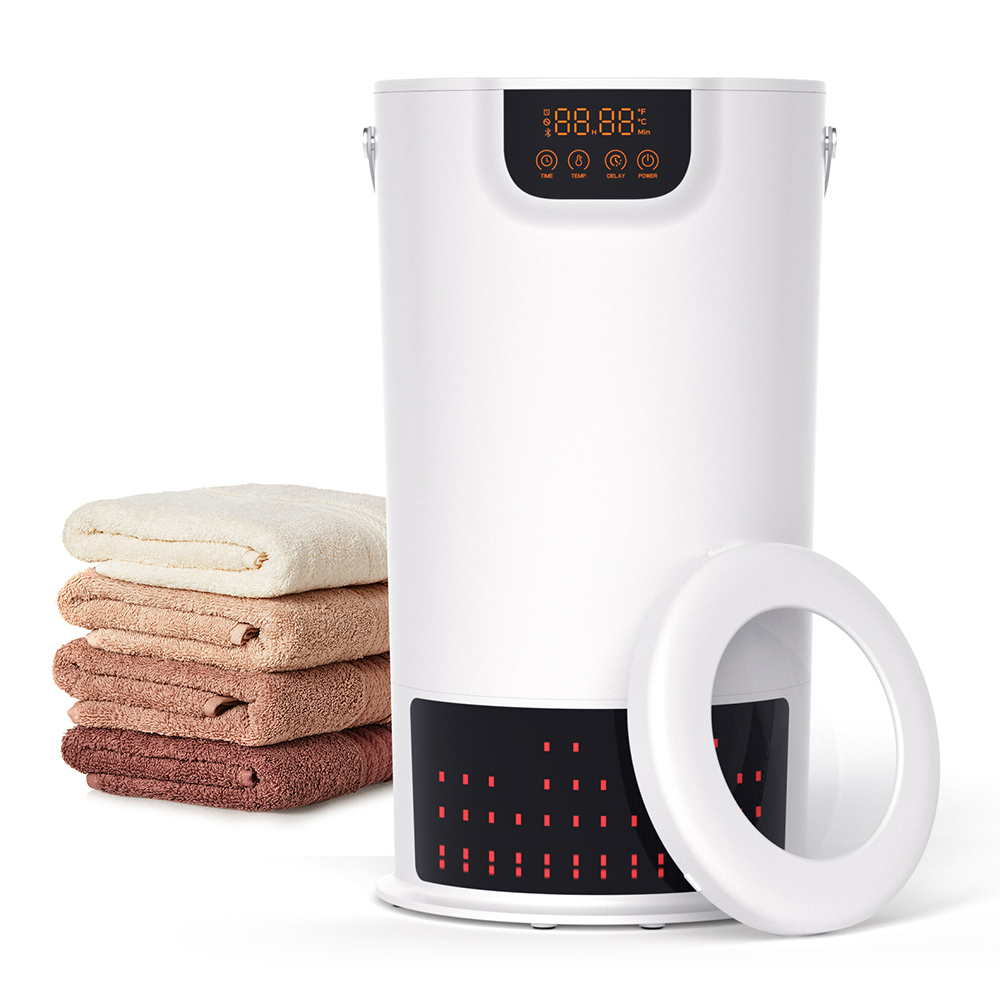
Best Spa Hot Towel Cabinet: 8 Features of Commercial Grade
A commercial spa runs 60-120 hot towels a day. The 8 features that separate a commercial-grade hot towel cabinet from a residential one that fails in 4 years.
A commercial spa hot towel cabinet needs 24-to-36-towel capacity, through-heating, forced air circulation, and commercial-cycle-rated parts. However, a residential cabinet — however nice — was built for two adults — used commercially it falls behind by week one and fails by year four. A spa runs 60 to 120 hot towels a day. The cabinet has to keep up. Here are the eight features that signal commercial grade.
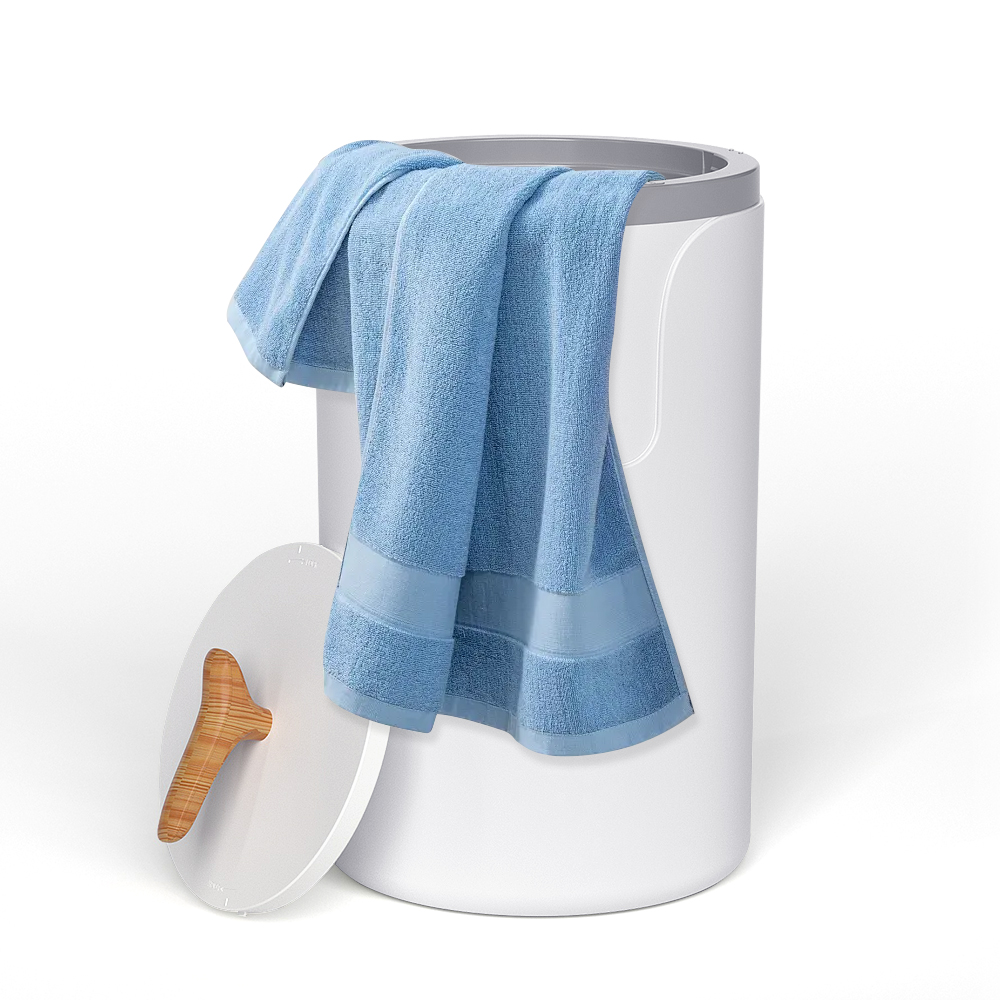
What makes a spa hot towel cabinet commercial grade?
A real spa hot towel cabinet is decided by throughput, durability, and even heat — what separates a commercial towel cabinet from a residential one. A residential cabinet shares the catalogue language. But not the engineering. Specifically, the eight features below are what let a cabinet handle a full spa day for a decade instead of buckling in four years.
The eight features
- 1. Capacity for throughput — a 24 towel cabinet minimum, 36 for multi-room facilities. In any spa, the hot towel warmer for spa work cycles 60 to 120 towels a day in a three-room facility; less capacity becomes the bottleneck.
- 2. Through-heat to the core — towels reach 50 to 55°C all the way through, not just on the surface, so they stay warm against skin during a treatment.
- 3. Forced air circulation — a fan evens the heat across the stack instead of letting the top cook and the bottom stay cool.
- 4. UV sterilization (optional) — a UV-C cycle between heats, expected by hygiene-led and medical spas, and noted by every esthetician evaluating a treatment-room cabinet.
- 5. Full stainless steel construction — 304 or 316 grade inside and out; plastic interiors deform and off-gas at temperature over a decade.
- 6. Commercial certification — rated for commercial duty cycle, not just residential safety.
- 7. Serviceable hinges and gaskets — the door opens 200 to 400 times a day; these must be swappable in minutes.
- 8. Cycle-rated electricals — relay and cut-off rated to 100,000-plus cycles, where residential parts are rated for far fewer.
The price reality
For example, a commercial cabinet costs 60 to 90 percent more than a residential one at the same capacity — about US$520 to US$780 for a 24-towel commercial unit versus US$320 to US$450 residential. The premium pays back in longevity: spas that buy residential cabinets to save money typically replace within four years, doubling their total spend.
Frequently asked questions
How many towels should a spa towel cabinet hold?
At least 24 for a single-room spa, and 36 for multi-room facilities. A busy spa cycles 60 to 120 towels a day, so the cabinet has to refill at that pace or it becomes the bottleneck.
What temperature should a hot towel cabinet be?
Around 50 to 60°C inside, heating towels through to the core. That is warm enough to stay comfortable against skin through a treatment without risk of scalding.
Do spa towel cabinets sterilise towels?
Higher-tier models include a UV-C sterilization cycle. Specifically, it runs between heats. Meanwhile, most commercial laundering already kills the relevant bacteria. However, UV is expected by medical and hygiene-led spas. And it is sometimes checked by inspectors.
Can I use a residential towel cabinet in a commercial spa?
You can. However, it will fall behind the throughput. And it will fail in about four years under commercial cycle counts. A commercial-rated cabinet costs more upfront. However, it runs 8 to 12 years.
What we ship for spas
The GoldHot commercial-spa line runs 24 to 36-towel capacity, 316 stainless steel throughout, forced-air circulation, serviceable hinges and gaskets, and commercial-cycle electricals, with UV-C optional. It ships to spa-supply distributors in 14 markets. Meanwhile, the Dongguan team will recommend a cabinet against your treatment-room mix and daily throughput.