
GoldHot
GoldHot

直接聯絡

redowan@gh-goldenhot.com+86 188 2417 8258 · WhatsApp登入 · 採購入口
Hotel Towel Warmer Installation: Property Manager's Checklist
Installation · June 2026 · 閱讀 8 分鐘

Hotel Towel Warmer Installation: Property Manager's Checklist

Hotel towel warmer installation checklist — circuit, IPX zone, mounting height, and the room-by-room sequence that prevents a 100-room rollout falling behind.

A hotel towel warmer installation runs cleanly when the property manager runs a mock-up room first, locks the circuit and IPX-zone spec before the brackets are bought, and sequences the rollout so plumbing, tile, and electrical do not collide. A 100-room install fails the same way every time — late circuit decisions, wrong mounting height, missing RCD, units installed before the tile is cured. Specifically, this is the checklist a property manager should run room by room and floor by floor.

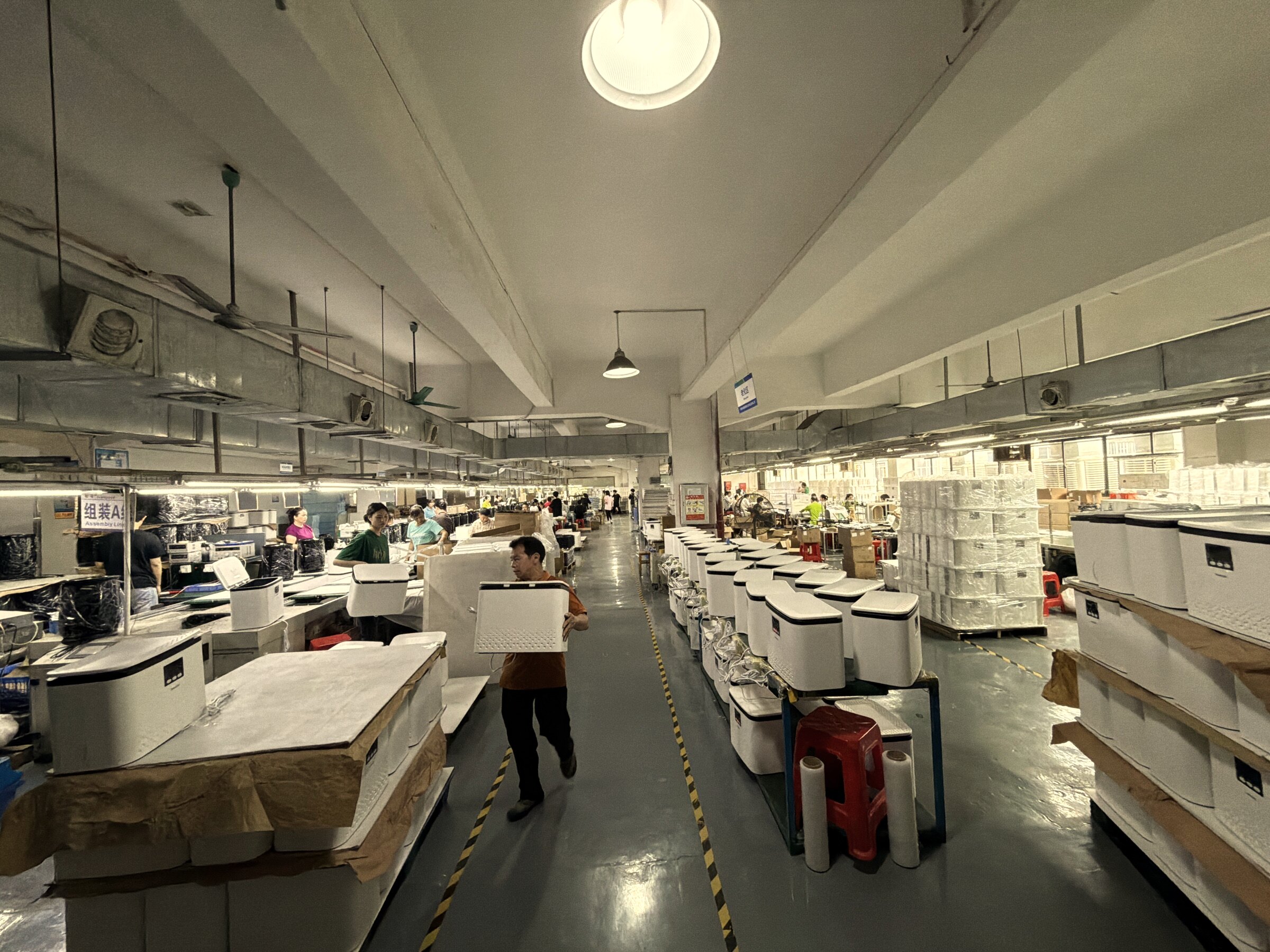
Hotel towel warmer installation — Dongguan production line producing units packed for hospitality FF&E delivery

This guide assumes wall-mounted electric units across the standard floor with bucket cabinets in the suite tier — the configuration most four-star and five-star properties settle on. The same sequence applies to a refresh of an existing property or a new-build FF&E rollout.

Stage 1: The hotel towel warmer installation mock-up room

However, the mistake most properties make in a hotel towel warmer installation is buying for the whole rollout before any unit has been installed. Specifically, install one rail and one bucket cabinet in a single mock-up room, run a full housekeeping cycle and a guest cycle, and check temperature, recovery, and the housekeeping fit at the door. Half the spec changes in a hotel towel warmer installation come out of the mock-up. Therefore the mock-up saves three to five percent of the rollout budget and weeks of rework.

Stage 2: The circuit audit

In contrast, the second-most-common failure in a hotel towel warmer installation is electrical. Before any unit ships, the property's electrical contractor should audit every bathroom for: a dedicated circuit (or capacity on a shared one), GFCI in North America or RCD in Europe and Asia-Pacific, and the right termination — a switched fused spur for the UK/EU/AU or a recessed socket for the US/JP/CN. Specifically, retrofitting RCD on a 100-room floor is a six-figure number, so the audit must happen before the brackets are ordered, not after.

Stage 3: The IPX-zone map

For example, every hotel bathroom has wet zones defined by the local code — Zone 0 inside the bath, Zone 1 above the bath and around the shower, Zone 2 at the basin perimeter, and the dry zone beyond. The towel warmer must sit in a zone its IP rating allows. An IPX4 unit needs at least 600 mm from the spray zone in most jurisdictions. Specifically, mark the IPX boundaries on the bathroom plan and place the mounting point against the rating, not against the photograph in the design renders.

Stage 4: Mounting height and reach

Meanwhile, the standard mounting height for a hotel rail is 800 to 1,000 mm to the base of the unit. For example, the height that matches the wet hand reaching out of the shower without dripping across the floor. Bucket cabinets mount with the door centre at 1,100 to 1,300 mm so a guest reaches in without bending. In contrast, a unit mounted too high looks display-grade in photos and fails in use; one mounted too low gets kicked open by housekeeping carts. Specify the height in the FF&E drawing, not on the day.

Stage 5: Sequencing against tile and plumbing

However, the FF&E rollout sequence matters as much as the spec. Tile must cure 14 to 28 days before mechanical anchors load it. Plumbing first-fix sets the boundary of Zone 1 and cannot move once the wall is closed. Therefore the install sequence is: rough electrical first-fix, plumbing first-fix, tile (cure), second-fix electrical (fused spur and RCD), unit mounting and wiring, commissioning. A property manager who lets the electrician retrofit a spur after tiling will pay the chase-out cost twice.

Stage 6: The room-by-room install sequence

  • 1. Isolate the circuit — turn off the bathroom circuit and verify it is dead with a calibrated tester.
  • 2. Confirm the IPX zone — measure the spray distance and confirm the unit's rating against it.
  • 3. Mark the mounting holes — use the paper template against the FF&E-drawing height, levelled, with the cartridge marker before pencil.
  • 4. Drill and anchor — diamond bit through tile, then the appropriate anchor for the substrate behind (cement board, brick, or stud).
  • 5. Mount the brackets — fix the brackets at the marked points and re-check level; a bracket pulling out of tile is the single most common rollout failure.
  • 6. Wire the unit — the licensed electrician makes the connection at the fused spur or recessed socket, verifies the RCD trip, and confirms earth continuity.
  • 7. Hang and lock — mount the unit on the brackets and engage the security lock per the manual.
  • 8. Functional test — restore power, confirm warm-up to setpoint within the manufacturer's stated window, and test the smart schedule if fitted.
  • 9. Housekeeping handover — show the housekeeping lead the door, the controls, and the cleaning procedure; this saves 80 percent of post-launch support tickets.
  • 10. Commission and sign off — file the electrician's certificate, the dielectric test reference, and the room photo with the property's facilities log.

Stage 7: The commissioning paperwork

Specifically, the property insurer and the local building inspector check the commissioning file before sign-off. The minimum file per room contains: the unit serial number, the electrician's certificate of compliance for the connection, the dielectric test reference from the manufacturer, the IPX rating against the bathroom zone map, and the photograph of the unit in situ. A hotel towel warmer installation that lacks the file fails the insurer's first audit and delays the property's policy renewal. Therefore the paperwork is part of the install, not an afterthought.

The mistakes that delay rollouts

  • Brackets bought before the mock-up — the geometry shifts after the first room and the brackets become scrap.
  • RCD retrofit after first-fix — adding ground-fault protection after the wall is closed is six-figure work on a 100-room floor.
  • Tile not cured — anchors load uncured tile and crack out within weeks of guest use.
  • Mounting height set on the day — without an FF&E spec, two installers produce 20 mm variation across the floor.
  • Wrong IPX rating for the zone — a unit that fails the wet-zone check cannot be commissioned by the insurer.

Frequently asked questions

What is the standard mounting height for a hotel towel warmer?

800 to 1,000 mm to the base of a wall-mounted rail, with bucket cabinets centred at 1,100 to 1,300 mm. The height should be set in the FF&E drawing so two installers produce identical results across the floor, not adjusted on the day.

Does a hotel towel warmer installation need a dedicated circuit?

Not strictly, but the bathroom circuit must have spare capacity and GFCI or RCD protection. Adding ground-fault protection after first-fix is expensive, so the circuit audit happens before any unit ships. A property manager who skips the audit pays for the retrofit later.

What IPX rating does a hotel bathroom towel warmer need?

IPX4 is the minimum for a unit outside the direct spray zone, with a 600 mm buffer to the shower head in most jurisdictions. A unit inside Zone 1 needs IPX5 or higher and must be designed for the wet zone. The zone map sits on the bathroom plan, not in the catalogue.

Who can legally install a hotel towel warmer?

The mounting can be done by a competent contractor. The electrical connection must be made by a licensed electrician in nearly every jurisdiction — Part P in the UK, NEC permits in the US, AS/NZS 3000 licensing in Australia. The certificate of compliance is the document the insurer audits.

How long does a 100-room hotel towel warmer rollout take?

Six to ten weeks once the mock-up is signed off and the units arrive on site. Two installers per floor average 6 to 10 rooms per day at the mounting stage, plus the electrician's pace at second-fix. The bottleneck is usually the electrician, not the mechanical install.

What ships with a GoldHot hospitality order

Ultimately, every GoldHot hospitality FF&E carton ships with the paper mounting template, brackets sized for the tile and substrate combination, wall anchors for cement board and stud, a destination-market manual, and the unit's dielectric test reference printed on the carton for the commissioning file. For the property manager running a hotel towel warmer installation across 100-plus rooms, the Dongguan team supplies a single FF&E specification covering mounting height, IPX zone, circuit capacity, and the housekeeping handover procedure. Samples ship in 7 to 14 days for the mock-up room. Production runs 25 to 35 days against the property's room-mix sheet, with ETL · UL · CE · FCC · PSE · UKCA test reports against the production batch. The full hospitality program ships to 30 markets from the 20,000 m² Dongguan facility, with the install spec sized for the property, not pulled from a stock manual.

End of articleContinue reading