
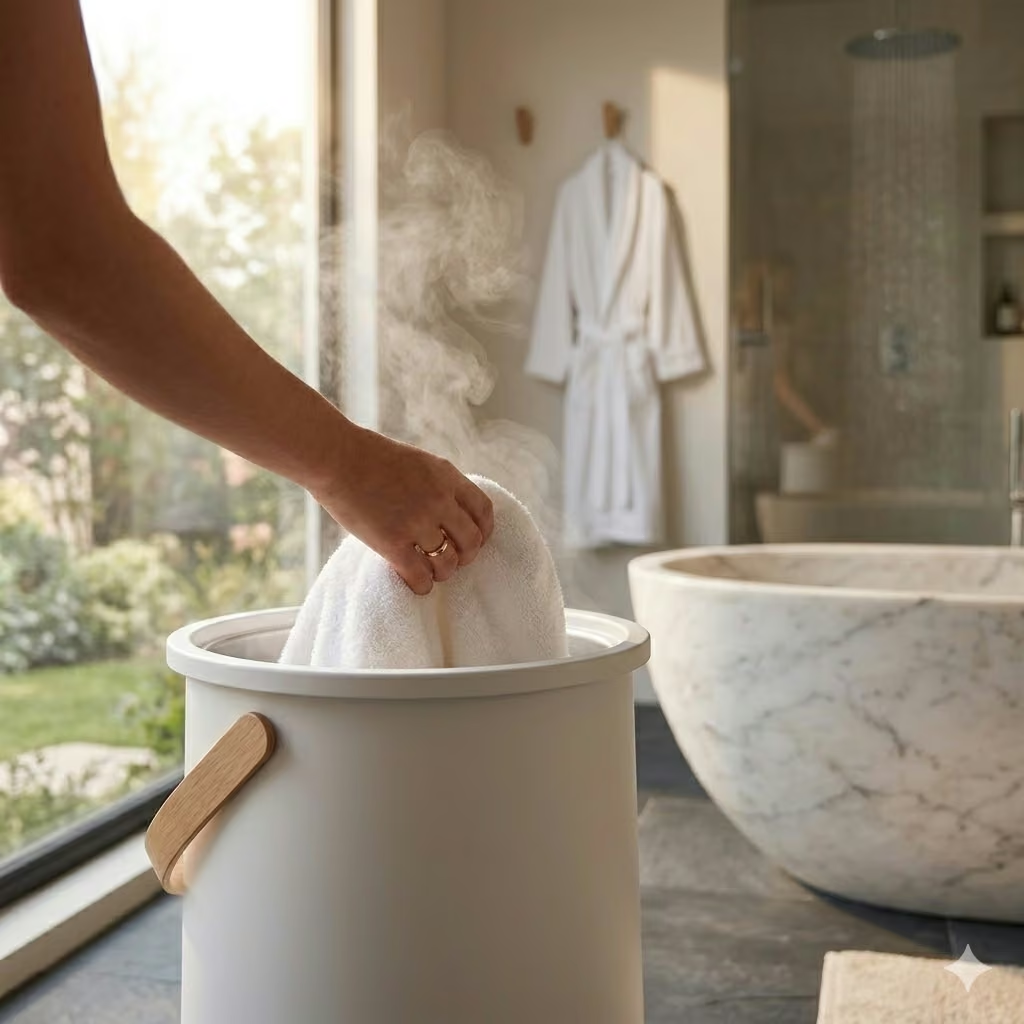
商用spa熱毯櫃:8大功能
商用溫泉式熱巾櫃應能夠經常性運作60至120個熱巾,穩定發熱、安全結構、方便清潔以及商用級的容量。
Direct answer: a commercial spa hot towel cabinet is worth buying when a spa needs 60 to 120 hot towels per day.
For 2026 buyer planning, choose a cabinet that combines towel capacity, steady heat, safe construction, and simple cleaning. A residential warmer is not built for that workload.
Quick answer: choose 24 to 36 towel capacity, 150 F to 170 F heat, and a removable drip tray.
For daily staff workflow, timer controls and simple smart features are useful extras.
For example, a commercial spa hot towel cabinet supports massage spa rooms, each facial room, salon services, hotel wellness suites, and treatment-room turnover. Therefore, the right cabinet should help staff move faster without making towels too hot, too dry, or unevenly warmed.
Best fit: spas with 2 to 4 treatment rooms.
Target output: 60 to 120 hot towels per day.
Key check: capacity, heat range, safety protection, cleaning protocol, and warranty.
- Commercial spa hot towel cabinet for treatment room towels
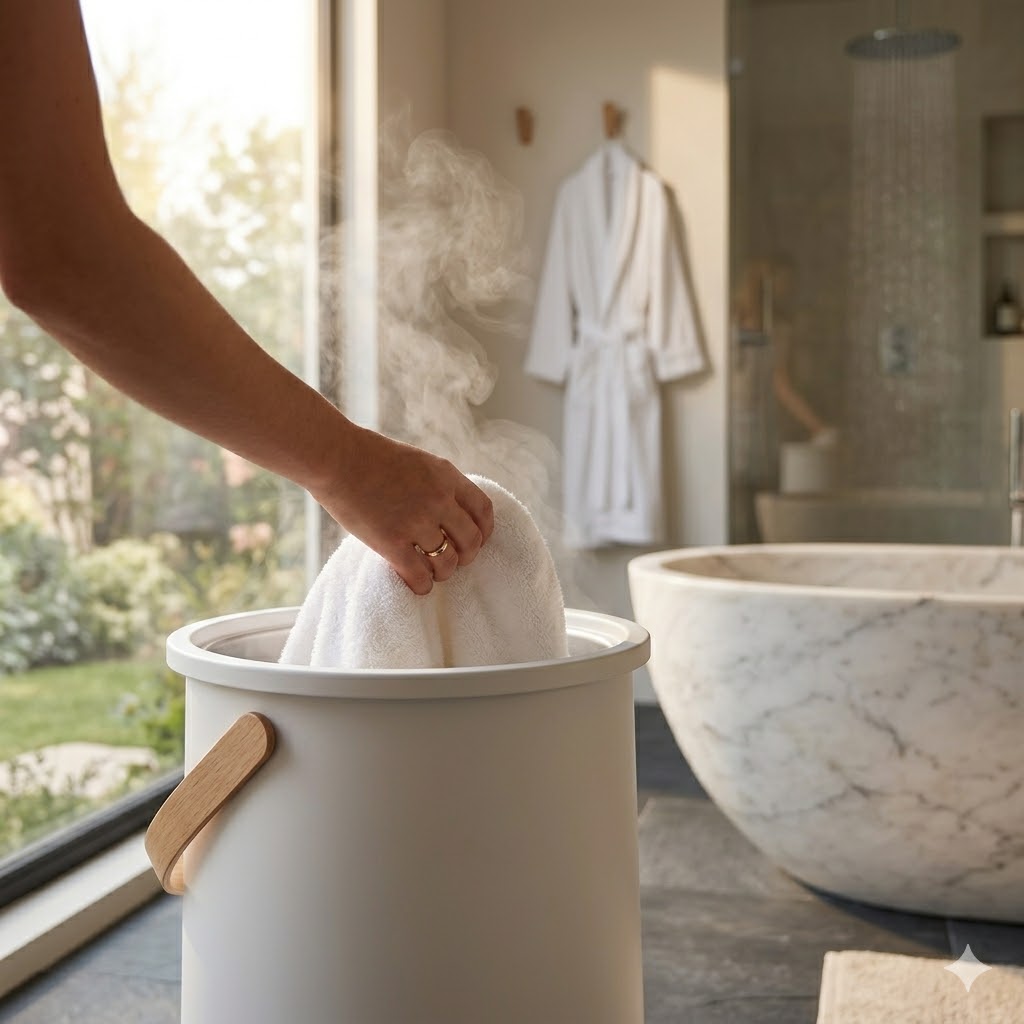
- A commercial spa hot towel cabinet should match daily towel volume, room count, and staff workflow.
First, the buying process starts with daily towel volume.
Claim: a 3-room spa can easily use 60 to 120 hot towels during a full treatment day. Therefore, capacity and heat recovery matter more than decorative styling.
Data point: for 2026 planning, any spa serving 100 hot towels per day should treat the cabinet as commercial spa equipment.
However, a residential warmer is designed for occasional bathroom comfort.
Compare: residential warmer vs commercial spa cabinet
- Feature
- Residential warmer
- Commercial spa cabinet
- Daily use
- Light home use
- 8 to 12 hour spa day
- Towel volume
- Low
- 60 to 120 towels
- Best location
- Bathroom
- Treatment room or prep area
- Cleaning need
- Occasional wipe-down
- Daily tray and interior cleaning
Claim: commercial use usually means 30 to 40 door openings per day. As a result, seals, hinges, and temperature recovery matter.
Capacity should match the service menu.
Claim: if each client uses 2 to 4 towels, a 20-client day can require 40 to 80 towels before staff extras.
Data point: a cabinet below 24 towels can run short before the third back-to-back treatment.
Next, heat should feel warm and consistent, not harsh.
Claim: temperature control matters when staff reload towels every 30 to 60 minutes. Uneven heating slows service and weakens the client experience.
Also, the interior should handle moisture, daily wiping, and repeated heat cycles.
Claim: an 8-hour workday creates repeated heat and moisture cycles. Therefore, commercial grade materials matter more than color.
Data point: after 250 workdays, the interior can face about 2,000 hours of heat and moisture.
A weak door seal loses heat.
Claim: if staff open the cabinet 40 times per day, that is more than 14,000 door cycles per year. The seal and hinge must survive that rhythm.
Data point: 40 door openings daily equals 1,200 openings in 30 days.
Some spas want UV sterilization support.
Claim: many UV cycles run for 10 to 30 minutes. As a result, staff should understand the difference between warming, drying, and sanitation support.
A removable drip tray keeps moisture under control.
Claim: a tray that cleans in under 30 seconds is easier to include in every closing checklist. That reduces skipped maintenance.
Data point: a 30 second drip-tray clean saves staff time during a 10-room closing routine.
Commercial buyers should check safety protection before color or style.
Claim: 8 to 12 hours of daily use increases risk when protection is weak. Therefore, safety features belong in the first buyer review.
A spa cabinet may sit 6 to 10 feet from a client.
Claim: a cabinet that sits inside the client view should support the wellness mood within 3 seconds. Loud doors and cluttered cords weaken that impression.
Data point: keep the cabinet within 6 to 10 feet only when noise level and cord placement stay discreet.
The best commercial towel warmer choice depends on staff workflow, daily towel volume, heat-up time, energy efficiency, and maintenance.
Claim: a heat-up time under 30 minutes helps morning setup. In contrast, slow recovery can delay the first 2 to 3 appointments.
Price should be judged against towel volume, staff time, safety, and warranty support.
Claim: compare price with a 12-month warranty, daily cleaning time, and expected 3-year replacement risk. That gives a better buyer comparison.
Data point: a cabinet lasting 3 years at 100 towels per day handles more than 100,000 towels.
Finally, the pros and cons are simple.
Claim: choose a commercial spa hot towel cabinet when towel volume, cleaning protocol, and staff workflow matter every day.
Claim: choose a residential warmer only when towel volume stays under 10 to 30 towels per day. Above that range, a commercial cabinet is the safer choice.
Data point: once daily volume reaches 31 towels, compare commercial capacity before choosing a home-style unit.
FAQ:
- How many towels should a commercial spa towel cabinet hold?
- Most small spas should compare 24 towels and 36 towels first.
- What temperature should a hot towel cabinet reach?
- Many spas plan around 150 F to 170 F for warm towels.
- Does a spa towel cabinet sterilize towels?
- A UV option can support sanitation workflow, but it does not replace proper laundering.
- Can I use a residential towel warmer in a commercial spa?
- Usually, no.
What GoldHot ships for spas.
Claim: use 2 to 4 treatment rooms and 60 to 120 hot towels per day as a planning range. Then explore the towel warmer collection or request a project quote.
Data point: use 120 towels per day as the upper benchmark before moving into multi-cabinet planning.