
GoldHot
GoldHot

直接連絡先

redowan@gh-goldenhot.com+86 188 2417 8258 · WhatsAppサインイン · 購入者ポータル
Towel Warmer Distributor Margins: What Wholesalers Actually Make
Wholesale · June 2026 · 8 分で読了

Towel Warmer Distributor Margins: What Wholesalers Actually Make

Towel warmer distributor margins broken down by channel — gross, contribution, and net — with the real per-unit economics wholesalers actually keep.

Towel warmer distributor margins typically run 28 to 42 percent gross at the standard plumbing-supply wholesale tier, narrowing to 12 to 18 percent net after rep commission, warehousing, freight, and warranty reserve. The headline markup looks healthier than the category actually delivers. This is the working breakdown of where the money sits at each step from the Dongguan factory gate to the contractor's invoice, written for distributors evaluating the line and sales reps building the business case.

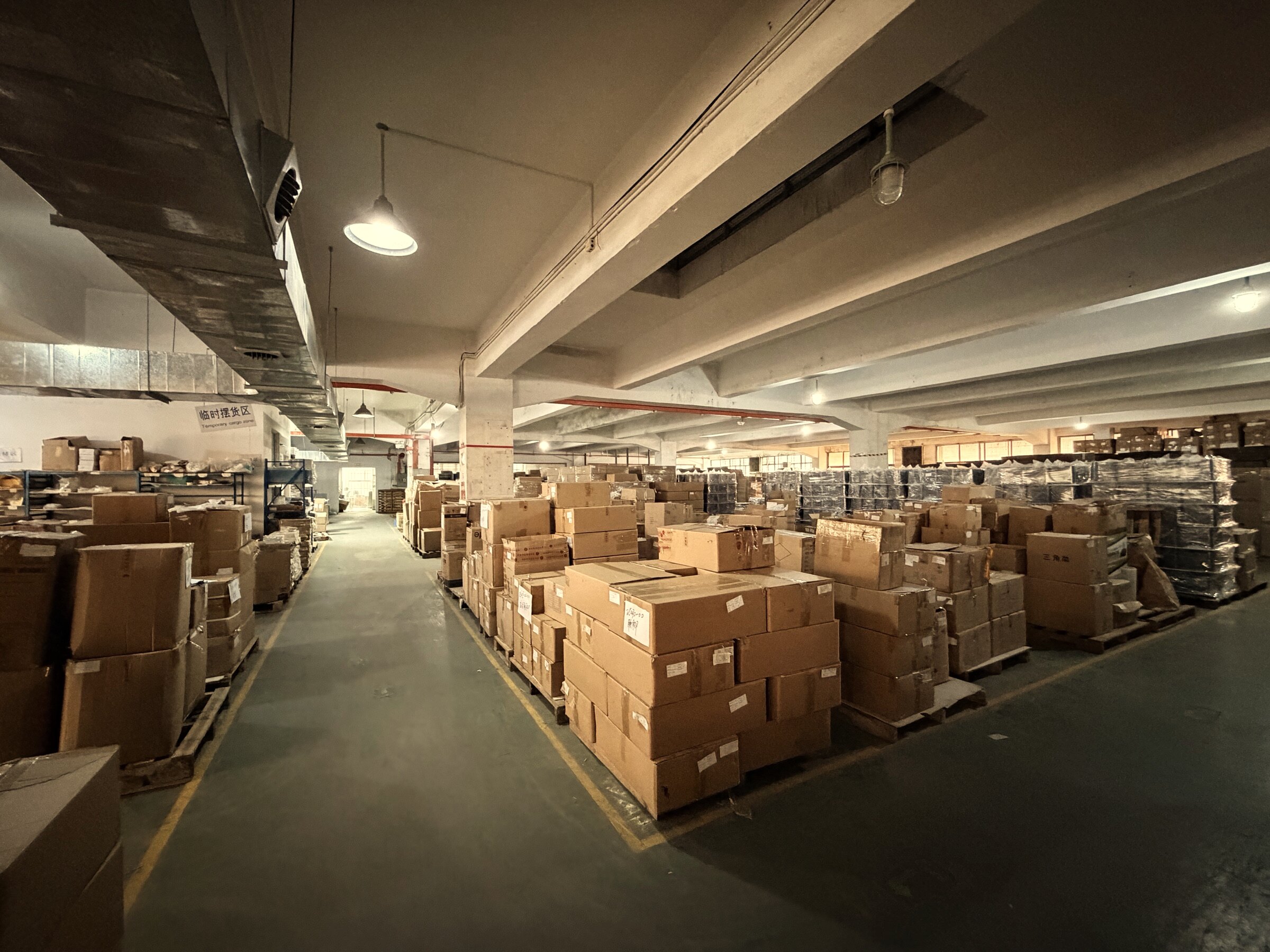
Towel warmer distributor margins — wholesale electric towel warmer cartons staged for distribution

How the channel actually layers

Specifically, a typical electric towel warmer moves through four price points between the Dongguan factory and the end customer. Ex-works at the factory gate. Landed at the distributor's warehouse. Wholesale to the dealer, contractor, or builder. Retail to the homeowner or specifier. Each step carries a margin. The distributor's piece sits between the landed cost and the wholesale price out. In contrast, the markup that looks generous in isolation is constrained by the channel's overhead structure on either side.

The per-unit walk: standard rail at 1,000 units

For a working example, take a standard 160 W brushed-stainless smart rail at a 1,000-unit container quantity into a US East Coast distributor:

  • Ex-works Dongguan — US$80 per unit (factory gate, GoldHot wholesale pricing 2026).
  • Ocean freight + insurance + handling — US$9.20 per unit.
  • US duty at 7.5 percent + brokerage — US$9.00 per unit.
  • Landed cost at distributor — US$98.20 per unit.
  • Wholesale price out — US$152 to US$168 to plumbing supply or builder.
  • Gross margin — 35 to 42 percent (US$54 to US$70 per unit).

Meanwhile, that gross is the gross. The net is meaningfully lower once the distributor's overhead loads. The next two sections walk it down.

What eats the gross between sale and bank

Specifically, four cost lines compress the gross into the contribution margin and then into the net:

  • Outside sales rep commission — 6 to 10 percent of the wholesale price, paid on the sale. For our example unit, US$10 to US$17.
  • Warehousing and inventory carry — 4 to 7 percent of the landed cost annualised. At 90-day turns, US$3 to US$5 per unit.
  • Inbound and intra-region freight — US$2 to US$4 per unit on standard distribution.
  • Warranty reserve and returns — 2 to 4 percent of the wholesale on certified electric goods. US$3 to US$7 per unit.

In contrast, the four lines together strip US$18 to US$33 off the US$54 to US$70 gross. That leaves a contribution margin of US$21 to US$52, or roughly 13 to 31 percent. The wide spread reflects how operationally tight the distributor runs.

Gross, contribution, net — the three margin numbers

However, the distinction matters because each number gets used differently in the conversation. Specifically:

  • Gross margin — the headline. Wholesale price minus landed cost. 28 to 42 percent on this category at this volume tier.
  • Contribution margin — gross minus variable selling cost (rep commission, warranty reserve, freight). 13 to 31 percent. The number that should drive line-by-line decisions on which SKUs to carry.
  • Net margin — contribution minus the unit's share of fixed overhead (rent, salaried staff, finance cost). 6 to 14 percent on a well-run distribution business. 2 to 6 percent on a thin one.

Meanwhile, the trap is the rep or the GM who pitches a category on gross alone. The 38 percent gross sounds healthy. The 9 percent net is what shows up in the operating statement.

Why the towel warmer category margin holds up

For example, the category compares favourably with commodity plumbing on three counts. Specifically, it is not directly catalogue-matched against the big-box retailers, so pricing discipline holds at the supply house. Meanwhile, the certification stack (ETL, UL, CE, FCC, PSE, UKCA) limits the number of suppliers a buyer can confidently switch between, which protects margin against constant price-shopping. And the project-specification path — designer or builder writes the spec, contractor sources from the local distributor — keeps the sale relationship-driven rather than purely price-driven. In contrast, a commodity faucet at the same supply house runs 18 to 24 percent gross because every line of the channel is benchmarked nightly against the big-box price.

Where the better-margin opportunities sit

However, the standard-rail line is the volume earner, not the margin earner. The higher-margin segments of the catalogue are:

  • Cabinets and bucket cabinets — 38 to 48 percent gross. Less price-comparable, often spec'd by hospitality and senior-living buyers without three competing quotes.
  • Premium finishes (brass-coated, bronze) — 40 to 50 percent gross. The finish premium passes through the channel intact because the buyer already accepted the premium at spec.
  • OEM and private-label runs — 35 to 55 percent gross depending on the contract. No catalogue price-shopping exists by definition.
  • Commercial spa cabinets — 32 to 42 percent gross but on a US$540 ex-works unit, so the per-unit dollar margin is materially higher.

Specifically, the distributor who carries the catalogue width — not just the standard rail — captures a meaningfully better blended margin.

Frequently asked questions

What is a typical distributor margin on towel warmers?

Gross margin runs 28 to 42 percent at the standard plumbing-supply wholesale tier on rails, higher (38 to 48 percent) on cabinets and premium finishes. Net margin after rep commission, warehousing, freight, and warranty reserve typically lands at 6 to 14 percent.

How much does a sales rep make on a towel warmer sale?

Outside reps typically earn 6 to 10 percent of the wholesale price. On a US$160 standard rail that is US$10 to US$16. Higher-margin cabinet and OEM lines pay more in absolute dollars because the unit price is higher.

What is the difference between gross and net margin for a distributor?

Gross is wholesale price minus landed cost. Net subtracts rep commission, warranty reserve, warehousing, freight, and the unit's share of fixed overhead. The two numbers can differ by 25 to 30 percentage points, which is why pitching a category on gross alone misleads.

Which towel warmer SKUs deliver the best margin?

Cabinets, premium-finish rails (brass-coated, bronze), commercial spa cabinets, and OEM or private-label runs. The standard chrome rail is the volume product but the lowest-margin in the catalogue because it is the most price-comparable.

What MOQ should a distributor plan for?

200 units per SKU is the GoldHot MOQ. A working starter assortment is typically 800 to 1,500 units across four to six SKUs spanning the rail and cabinet tiers, which fits inside a 40-foot container and lets the distributor test sell-through across the category.

What GoldHot offers a new distributor

Ultimately, the line is built to support the distribution channel rather than compete with it. Specifically, no direct-to-consumer pricing undercut on the standard catalogue, a 28-SKU range that lets one distributor cover rails through cabinets through OEM, ETL · UL · CE · FCC · PSE · UKCA across the 30 markets we ship into, MOQ 200 per SKU, 7 to 14 days for sample, 25 to 35 days for production, and a Dongguan account team that can return a full landed-cost-plus-margin worksheet against the distributor's volume, finish mix, and destination within a working day. The line is in 30 markets and the channel partners are confidential on request — a new distributor in an unrepresented territory typically goes from first contact to a signed distribution agreement in six to ten weeks.

End of articleContinue reading