
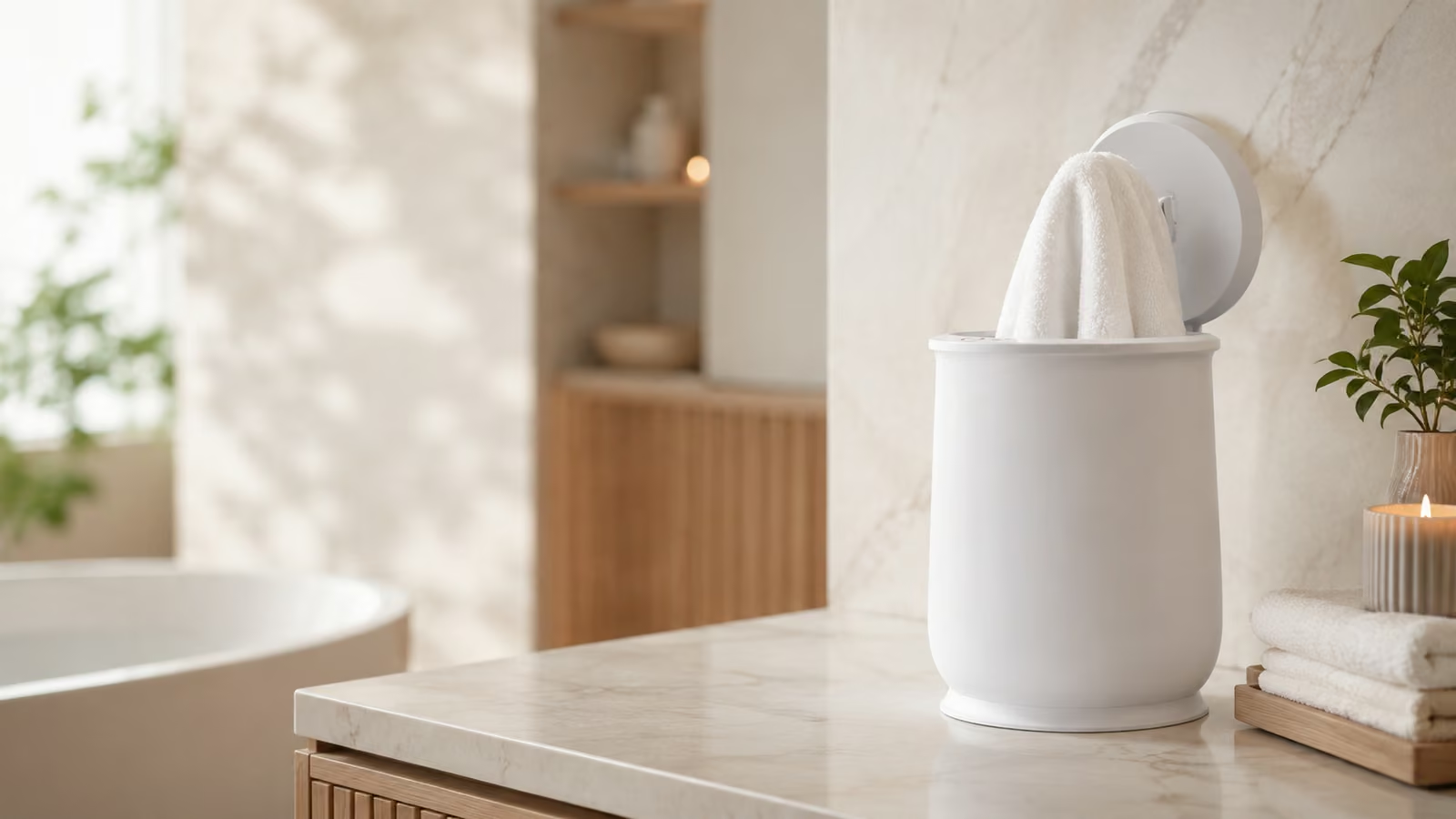
Towel Warmer Wattage Explained: 60W to 400W Guide
towel warmer wattage explained: choose 60W-200W for home bathrooms or 400W spa cabinets by room size, towel count, and use.
towel warmer wattage explained: most home bathrooms need 120W to 160W. While, compact rooms need 60W to 120W. In contrast, large luxury bathrooms need 160W to 200W. Finally, commercial spa cabinets often need 400W because they heat many towels in batches.
Wattage is a sizing tool, not a quality score. A higher number can help a larger rail recover warmth faster. But, it can also waste energy in a small room. The best choice is the unit that fits your towel capacity, wall space, controls, and comfort ritual.
Towel Warmer Wattage Explained: Quick Answer
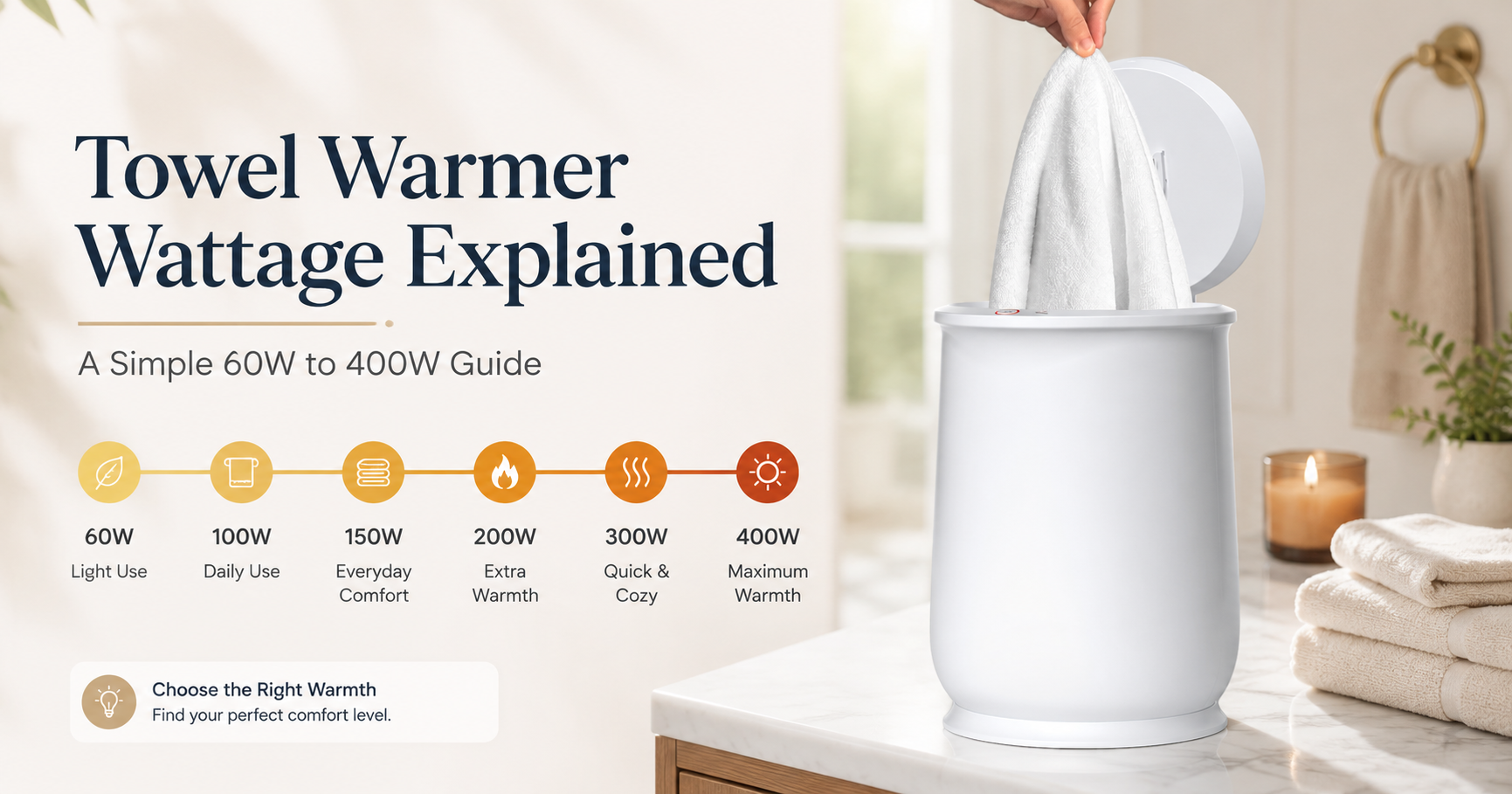
But, first, choose 60W to 120W for compact rooms, cloakrooms, and light towel use. Next, choose 120W to 160W for standard home bathrooms. Then, choose 160W to 200W for large primary bathrooms, hotel-style bathrooms, and family routines. Finally, choose a 400W cabinet for spas, salons, massage rooms, and wellness centers.
For example, a guest bathroom with one hand towel does not need a 200W rail. In contrast, a large bathroom with several bath sheets may feel better with a 160W or 200W heated towel rail.
Wattage Comparison
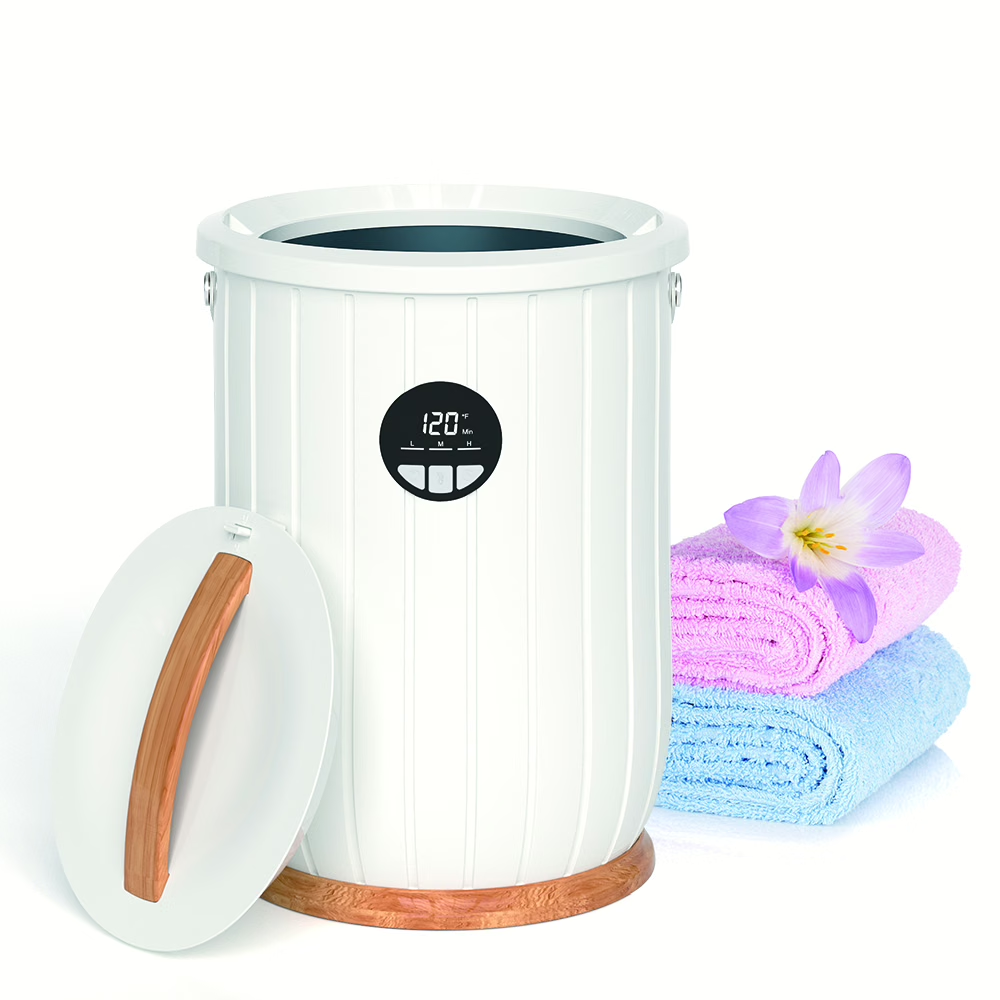
Here is the split between the tiers. 60W is for light use. 120W to 160W is for home use. 200W is for large rails. 400W is for commercial use.
Also, which to choose depends on towel count, not the biggest number. So, the pros and cons are simple. In general, lower wattage can improve energy efficiency and price. But, higher wattage can improve recovery, surface coverage, and batch capacity.
So, use this comparison as a buying guide. It keeps towel warmer wattage explained around real use, cost, install, and comfort rather than marketing claims.
Quick Wattage List
Under 8 m2: choose 60W to 120W.
So, 8 to 14 m2: choose 120W to 160W.
Over 14 m2: choose 160W to 200W.
Commercial use: choose a 400W cabinet.
How Towel Warmer Wattage Works
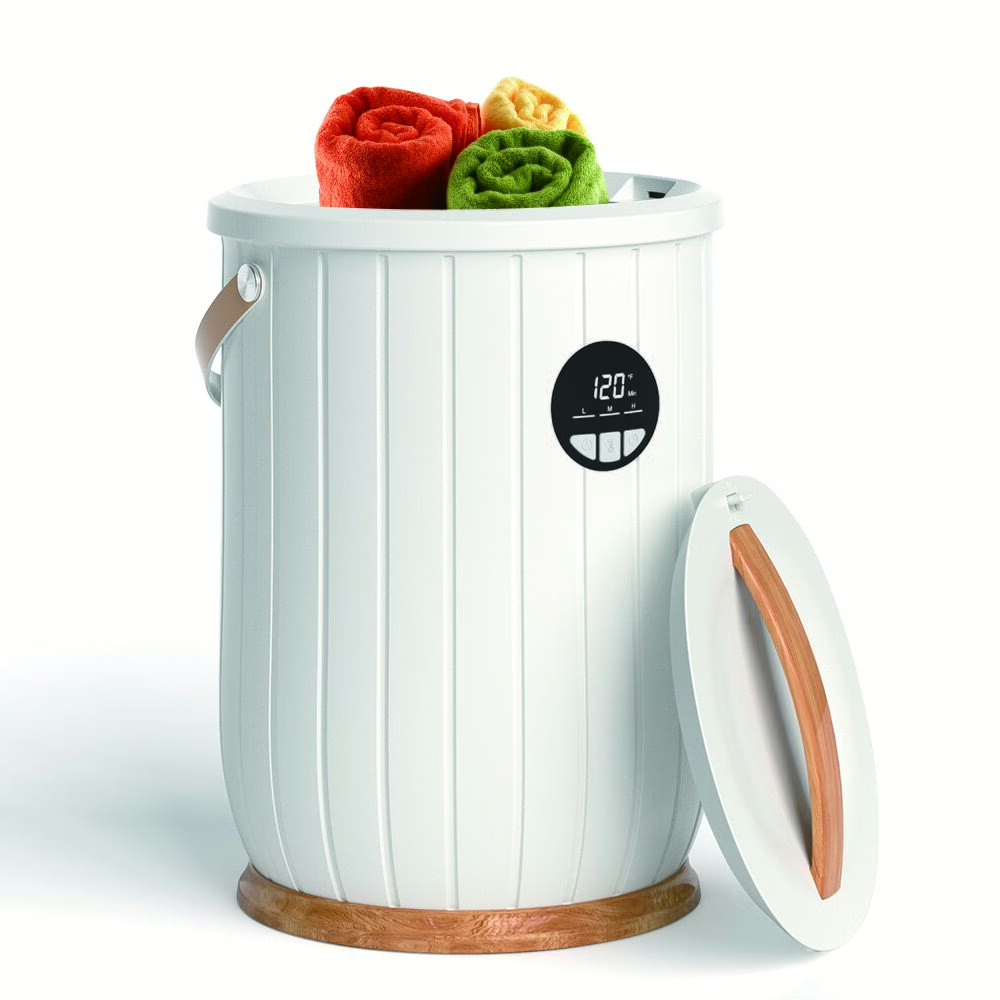
In addition, an electric towel warmer uses power to heat a rail, rack, or cabinet. For example, a heated towel rail warms towels through its metal surface. The wattage tells you how much electrical power the warmer uses while it is running. But, it does not tell the whole story.
Also, rail size, stainless steel thickness, towel spacing, insulation, room heat, and controls all affect the final result. As a result, two 160W towel warmers can feel different in daily use.
For example, a slim wall-mounted towel warmer may heat quickly because it has less metal. In contrast, a larger rail may need more time.
60W Towel Warmer
While, a 60W model suits one or two hand towels. For example, it works well in cloakrooms, small ensuites, guest powder rooms, and compact apartments. Also, this tier is efficient because the heated surface is usually small.
But, 60W is not ideal for a busy family bathroom. It may struggle when several damp bath towels are placed on the rail at once. Choose it for light comfort and small wall space.
120W Towel Warmer
A 120W model fits small and medium bathrooms. Usually, it suits three or four bath towels, depending on rail spacing and towel thickness. So, it is often the entry point for a modern bathroom upgrade.
Mostly, this wattage works well in apartments, secondary bathrooms, boutique hotel rooms, and smaller home projects. It adds comfort without dominating the wall.
160W Towel Warmer
A 160W model is often the safest home choice. Also, it gives enough capacity for several towels while keeping running costs reasonable. As a result, many families choose this tier for daily morning and evening routines.
Interior design teams also like 160W because it supports comfort and clean proportions. A brushed gold finish can soften a marble bathroom. Matte black suits minimalist rooms with strong lighting.
200W Towel Warmer
For example, a 200W model suits large rails and primary bathrooms. In this case, the extra wattage helps keep warmth across more metal. It also improves recovery after towels are added or removed.
This tier suits a luxury bathroom where comfort and hotel aesthetics matter. In a wellness space, a warm towel is part of the daily ritual. The goal is steady comfort and a quiet spa experience.
400W Cabinet
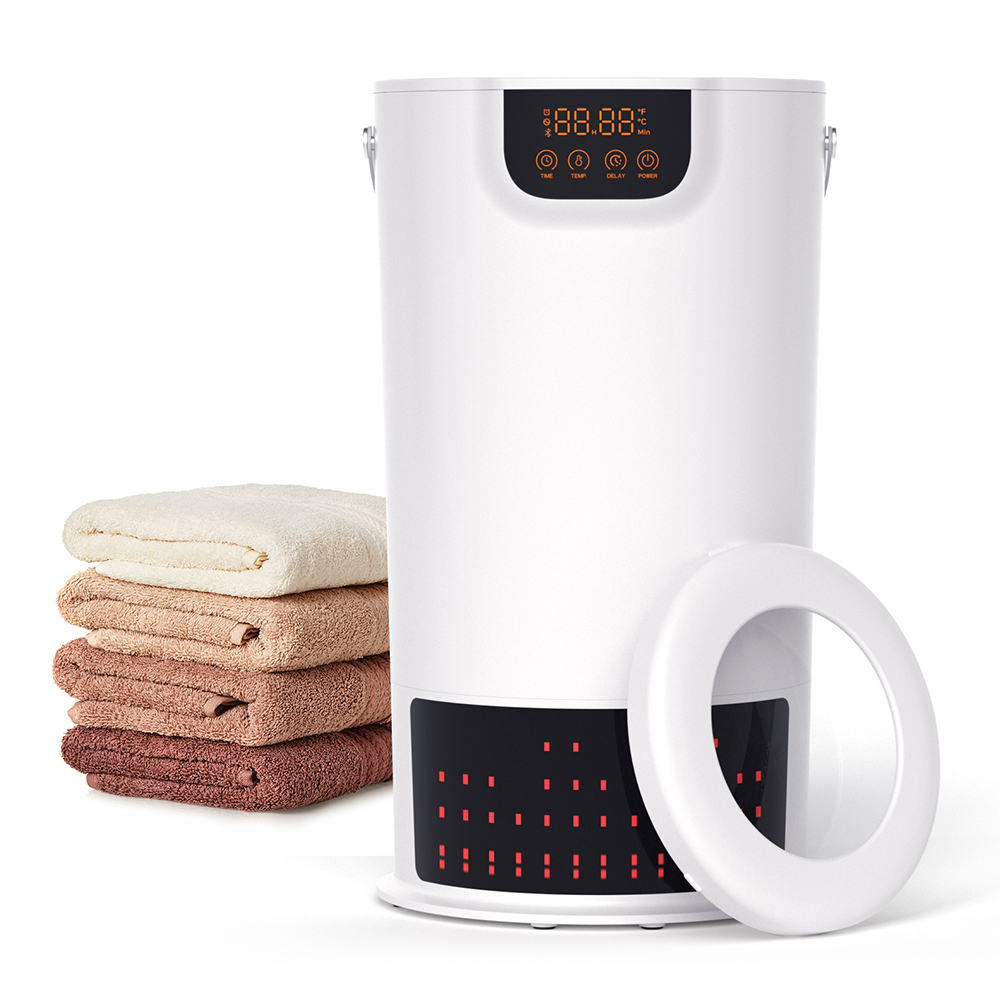
A 400W cabinet is usually designed for commercial use. It can heat many towels in a closed cabinet throughout the day. Spas, salons, massage rooms, barber shops, and wellness studios often need this tier.
In contrast, for most home bathrooms, 400W is more power than needed. It can take extra space and increase electricity use without improving the daily routine. A home bathroom usually feels better with a wall-mounted towel warmer between 120W and 200W.
Why Bigger Is Rarely Better
Higher wattage can sound more powerful, but it is not always more useful. A 400W cabinet in a small bathroom may create unnecessary ambient heat. It may also make the layout feel crowded.
The better rule is simple. Choose capacity first. Then choose the wattage that supports that capacity. This approach gives warm towels, lower waste, and a design that looks intentional.
Design and Installation Considerations
Also, wattage is only one part of a good spec. A towel warmer also needs the right size, finish, controls, install type, and safety docs. Architects often compare these details before selecting a model.
Use stainless steel or durable premium materials for humid bathrooms.
Match the finish to the room, such as brushed gold, chrome, or matte black.
Also, check wall space before choosing a tall rail or wide ladder design.
Use a thermostat or timer to reduce energy use.
Confirm voltage, plug type, and cert for the target market.
So, for trade projects, buyers should also confirm MOQ, sample timing, packaging, and after-sales support. Certs such as CE, UL, and RoHS may be available by model and market.
Also, compare warranty, footprint, noise level, and heat-up time before buy. A matte black towel warmer may look quiet, but its footprint still matters. The 160W vs 200W choice should balance capacity, energy use, and warranty support.
Towel Warmer Wattage Explained for Project Buyers
For a bathroom renovation, an architect may compare several product types. These include an electric towel warmer, a heated towel rail, a heated towel rack. And a bathroom towel warmer. So, towel warmer wattage explained should be tied to wall space, towel count, finish, and install method.
Indeed, in a hotel bathroom, a wall-mounted towel warmer can support hotel aesthetics without taking much space. In contrast, a salon towel warmer or commercial spa cabinet is built for repeated service. As a result, it should be judged by batch capacity, recovery time, hygiene workflow, and daily towel turnover.
For a wellness space, towel warmer wattage explained also connects to mood. A warm bath sheet after a shower feels different from a small hand towel. Also, ambient heat, lighting, marble, minimalist lines, and premium materials all shape the final spa experience.
Energy Use and Smart Controls
You can estimate running cost with a simple formula. First, multiply wattage by daily running hours. Then divide by 1, 000 to get kilowatt-hours.
For example, a 160W towel warmer running for four hours uses 0.64 kWh. Smart features can lower that number by turning the warmer off when it is not needed. So, running time often matters as much as wattage.
Buyer takeaway: Match the towel warmer spec to your market label rules. A cert is a snapshot. The real check is fit for the project, confirm wattage, voltage, plug type, and label scope before approval.
Reference: For the underlying electrical safety standards behind towel warmer, see NEMA and the IEC public catalogues.
Frequently Asked Questions
How many watts should a home towel warmer be?
Most home towel warmers should be between 120W and 160W. This range works for standard bathrooms with three or four bath towels. But, a smaller cloakroom may only need 60W to 120W. A large primary bathroom may feel better with 160W to 200W.
Is 60W enough for a towel warmer?
Yes, 60W can be enough for one or two hand towels. It is best for powder rooms, compact ensuites, and guest bathrooms. But, it is not the right choice for a busy family bathroom with several damp bath towels. For that use, choose 120W or 160W.
Does a higher-wattage towel warmer heat faster?
But, not always. Higher-wattage models are often larger, so they also contain more metal. For example, a well-designed 160W rail can feel efficient because size and power are balanced. A 200W model is usually chosen for recovery time, larger surface area, and steadier warmth.
Is 400W too much for a home bathroom?
In most cases, yes. A 400W towel warmer cabinet is usually made for spas, salons, massage rooms, and other commercial spaces. It heats many towels in a closed cabinet. In contrast, most homes only need 60W to 200W because towel count is lower.
How much does wattage affect electricity costs?
Wattage affects electricity use, but running time is just as important. For example, a 160W towel warmer running for four hours uses about 0.64 kWh. A timer, thermostat, or smart control can reduce waste by heating towels only during the hours when people need them.
What is the best towel warmer wattage for a luxury bathroom?
Also, for a luxury bathroom, 160W to 200W is usually the best range. It gives enough capacity for multiple bath towels while supporting a consistent spa experience. Also, towel warmer wattage explained should consider bathroom size, premium materials, finish, lighting, and the interior design concept.
What wattage should hotels and spas choose?
Hotels often use 120W to 200W heated towel rails in guest bathrooms. The exact choice depends on room size and design standard. Spas and salons may need 400W towel warmer cabinets because they heat 12 to 24 towels throughout the day.
The Simple Rule
Small rooms usually need 60W to 120W. Standard bathrooms usually need 120W to 160W. Large luxury bathrooms usually need 160W to 200W. Commercial spa cabinets may need 400W.
So, the best towel warmer is not the biggest number on the label. It is the model that fits the room, warms the right number of towels. And supports the comfort level you want every day.