
Sicherheit von GoldHot-Elektrotuchwärmer: Zertifizungen, Selbstschutzmechanismen und Brandrisiko
Die Sicherheit von elektrischen Handtuchwärmer-GoldHot: Die doppelte Abschaltung, IPX-Bewertung und GFCI-Regeln, die sie sicher machen, sowie die fünf roten Warnsignale auf einem Gerät, das Sie nicht kaufen sollten.
<2>Elektrische Handtuchwärmer-Sicherheit: die vier Schichten
<>Speziell hat jede legitime elektrische Handtuchwärmer vier konstruierte Sicherheitsschichten. Keine sind optional unter ordnungsgemäßer Zertifizierung.
<2>Was Versicherer tatsächlich überprüfen, nachdem einAndUpdate bericht <2>Die fünf roten Warnsignale auf einer Einheit, die Sie nicht kaufen sollten <3>Sind elektrische Handtuchwärmer sicher, wenn sie über Nacht gelassen werden? <3>Kann eine elektrische Handtuchwärmer ein Feuer verursachen? <3>Benötigen elektrische Handtuchwärmer einen besonderen Stromanschluss? <3>Welche Temperatur ist für die Oberfläche einer Handtuchwärmer sicher? <2>Das eine, was man überprüfen sollte <2>Die Zertifizierungen, die es beweisen
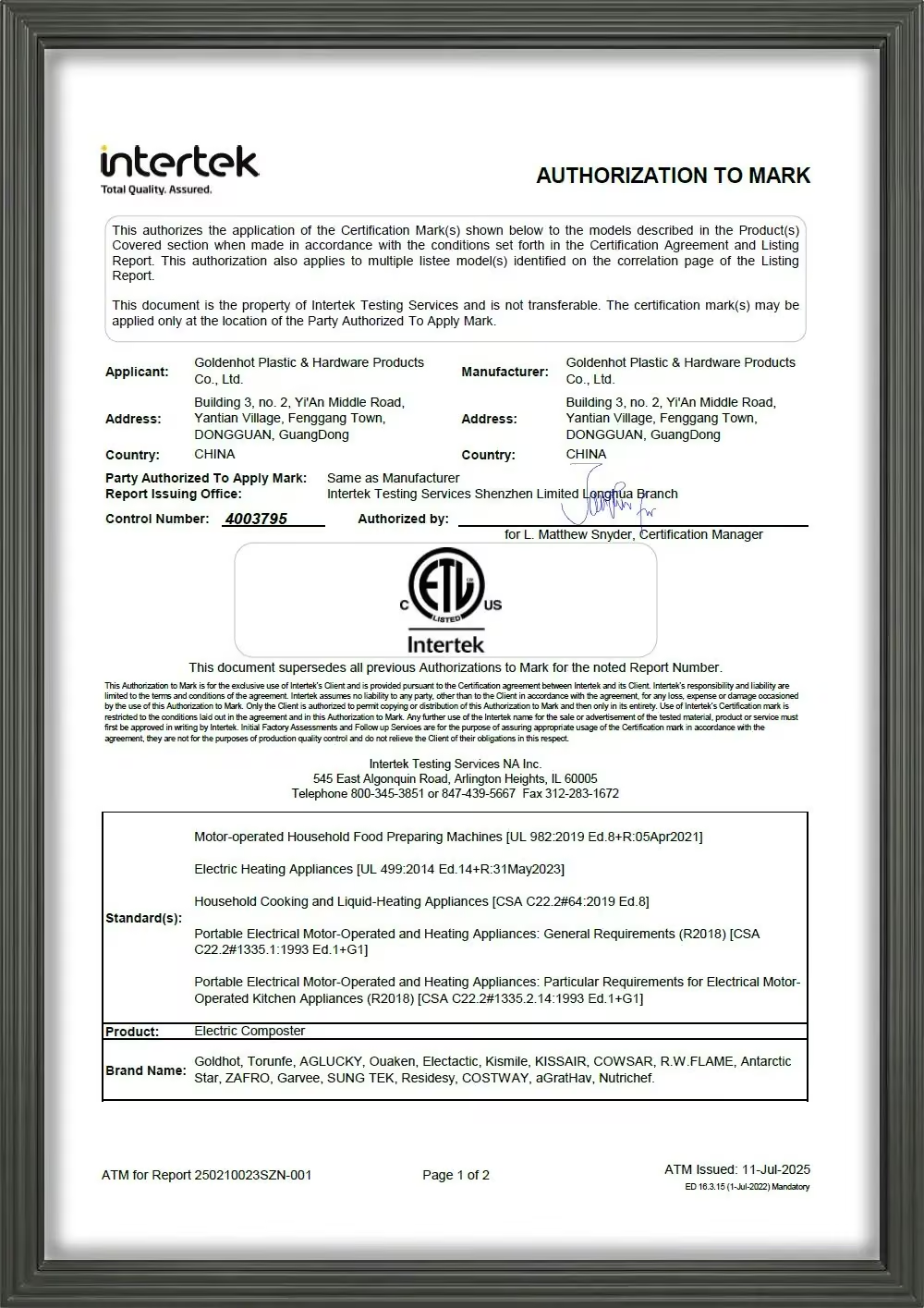
<>Beispiel: Ein ETL-Zertifizierungsmark auf der Rückseite des Panels signalisiert, dass diese Schichten real und laborgeprüft sind:
<>Im Gegensatz dazu kann eine Einheit ohne unabhängigen Notfallabschalter keine dieser Marken tragen. Das ist der konstruktive Unterschied zwischen einer sicheren Einheit und einem Brandrisiko.
<>Inzwischen überprüft der Versicherungsprüfer nach einem Badewannenbrand drei Dinge: die Zertifizierungsmark auf dem Gerät (und überprüft die Nummer gegenüber der Ausstellungsstelle), die Installationspapiere (lizenzierte Elektriker, GFCI bestätigt), und die Alter und die Wartungsgeschichte. Ein Eigentum mit nachvollziehbaren ETL- oder UL-Einheiten und lizenzierten-Installationspapieren erhält einen sauberen Bericht. Unverifizierbare Namen und Fixierungen machen es komplizierter.
<2>Häufig gestellte Fragen zur Sicherheit von elektrischen Handtuchwärmer
<>Die kurze Antwort: Ja, sind Handtuchwärmer sicher, wenn zertifiziert. Die längeren Antworten unten.
<>Ja, wenn die Einheit zertifiziert ist. Der unabhängige thermische Notfallabschalter schützt vor Überhitzung, selbst bei ständiger Verwendung. Für geringere Energieverbrauch nde eine intelligente Einheit auf einem Zeitplan besser, aber eine zertifizierte Einheit zu lassen ist kein Sicherheitsproblem.
<>Eine zertifizierte Einheit mit doppeltem Sicherheitsabschalter ist extrem risikofrei, der Notfallabschalter schaltet den Stromkreis ab, bevor ein Fehler gefährlich wird. Die Berichte über Feuer in dieser Kategorie beinhalteniox fast alle billige, nicht zertifizierte Einheiten mit keinem unabhängigen Notfallabschalter, oft schlecht installiert.
<>Sie benötigen einen GFCI-geschützten (US) oder RCD-geschützten Stromkreis, der modernen Badewannen-Elektroinstallationen erforderlich ist. Angeschlossene Einheiten verwenden einen geschalteten, verschlossenen Ansatz, der von einem Elektriker installiert wird. Dies ist die Schicht, die sich vor unerwarteten Fehlern schützt.
<>Eine Oberflächentemperatur von 50 bis 55°C ist warm und sicher zum Berühren. Eine zertifizierte Einheit hat eine Härtegrenze, die verhindert, dass die Oberfläche jemals etwa 90°C erreicht. Für Altenpflege-Einrichtungen sind Versionen mit einer Oberflächentemperatur von 45°C erhältlich.
<>Letztendlich sollte man den Hersteller um die dielektrische Testbericht gegenüber einer bestimmten Seriennummer bitten. Jedes GoldHot-Produkt bestand einen 1500-Volt-Test. Das Ergebnis ist gegenüber der Seriennummer aufbewahrt und für zehn Jahre aufbewahrt. Wenn ein Hersteller dieses liefern kann, ist die Sicherheit real. Wenn nicht, sollten Sie mehr Fragen stellen.