
Guía de Compra de Recipientes de Calentamiento de Toallas: 9 Especificaciones que Cada Hotel Debe Verificar
Guía de compra de recipientes calefactores de toallas para hoteles, las nueve especificaciones que deciden la capacidad, el calor y la durabilidad, más las afi…
<>Nota sobre el lenguaje. En esta guía de compra de recipiente calefactor de toallas, las palabras "recipiente", "calefactor de toallas de cesta" y "calefactor de toallas de spa" describen el mismo formato cerrado, un armario de acero aislado que calienta toallas dobladas por completo en lugar de calentar barras. La categoría está dominada por la hospitalidad y el uso de spa, con una demanda residencial creciente en villas de lujo.
<2>¿Qué es en realidad un recipiente calefactor de toallas?
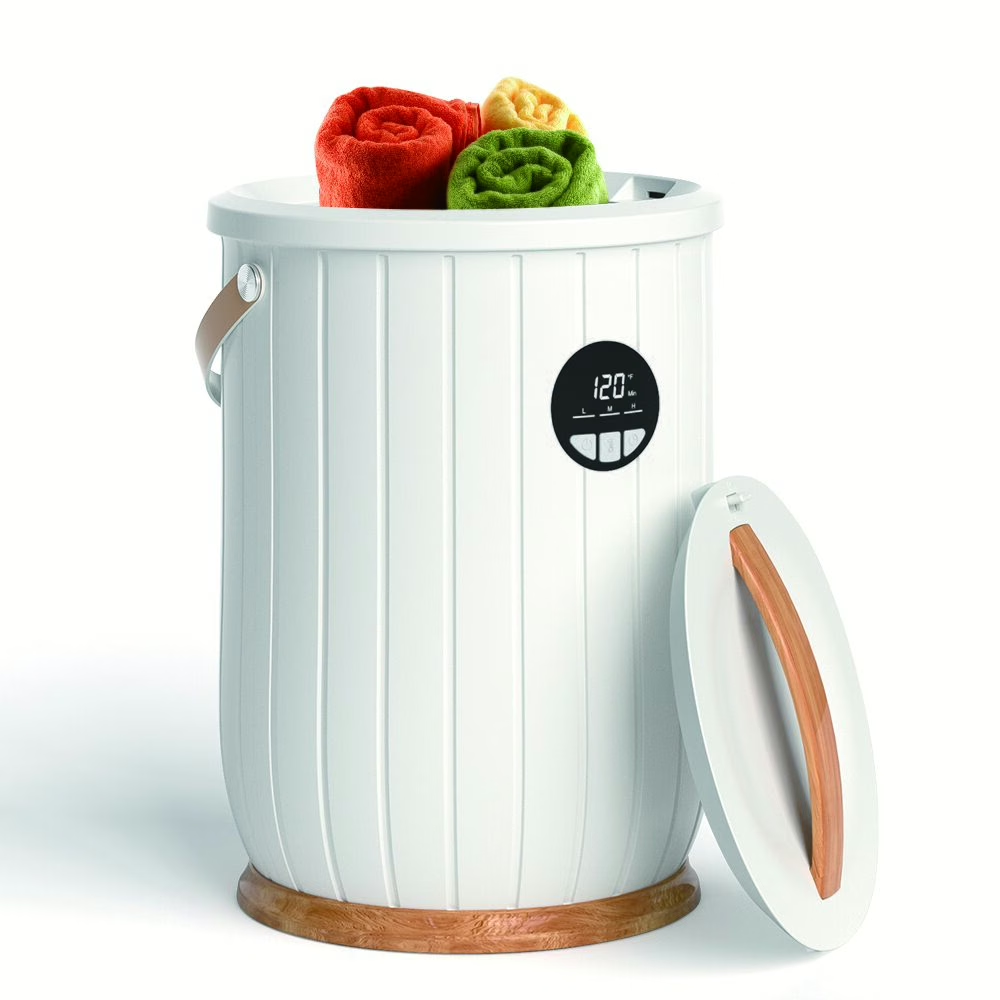
<>En específico, un recipiente calefactor de toallas es un armario cerrado, ventilado y calentado internamente, que contiene 12 a 24 toallas dobladas a una temperatura regulada. En contraste, un sistema de barra calienta la superficie de las barras y deja el centro de una toalla doblada a temperatura ambiente. El recipiente calienta por completo. Por lo tanto, la toalla se siente cálida desde el momento en que el huésped la desdobla, no solo en el doblez exterior. Para briefs de habitaciones de cuatro y cinco estrellas, la diferencia se siente en los primeros cinco segundos de la ducha.
<2>Espec 1: Capacidad interior en número de toallas dobladas
<>Sin embargo, el número de especificaciones que cada comprador salta es la capacidad interior expresada como toallas dobladas de un tamaño estándar. La cifra honesta para un recipiente de tamaño medio es 16 a 20 toallas de baño de hotel estándar a 70 × 140 cm dobladas en tercios. Las especificaciones citadas en litros engañan, un recipiente de 60 litros suena grande pero contiene 12 toallas dobladas porque los espacios de circulación comen la capacidad. Pida el recuento de toallas contra una toalla de baño real de 600 GSM de hotel. No un número de marketing.
<2>Espec 2: Temperatura objetivo y estabilidad
<>Por ejemplo, la ventana de funcionamiento correcta para un calefactor de toallas de cesta se encuentra entre 55 y 65°C. Por debajo de 50°C, la toalla no se siente cálida a la mano húmeda. Por encima de 70°C, las fibras de algodón se secan y pierden suavidad a lo largo de la vida del ciclo. Por lo tanto, el controlador debe mantener ±2°C a lo largo de un ciclo de 24 horas y en todos los cuatro ángulos del interior. Los unidades baratas oscilan ±5 a 8°C y desarrollan una parte superior caliente y una parte inferior fría. Pida el informe de prueba de un termómetro infrarrojo, no la cifra de encabezado.
<2>Espec 3: Tiempo de recuperación después de un descarga completa
<>Mientras tanto, la realidad operativa es que la atención de la limpieza carga el recipiente por la mañana. Por lo tanto, el ciclo que importa es la recuperación, cuánto tiempo tarda el armario en regresar a la temperatura objetivo después de una carga fría completa. Un recipiente bien construido de 200 W recupera en 18 a 22 minutos. Una unidad delgada tarda 35 a 45 minutos y se pierde la próxima visita del huésped. Pida la curva de recuperación, en minutos, a temperatura ambiente y desde una carga de toallas frías.
<2>Espec 4: Calor seco frente a calor húmedo de circulación
<>En contraste, el camino barato es un armario sellado que atrapa la humedad de las toallas húmedas. La toalla sale cálida pero ligeramente clamorosa. En específico, un recipiente calefactor de toallas apropiado tiene un ventilador de circulación de bajo volumen y una ventaja de vapor que elimina la humedad y entrega calor seco. La toalla se siente cálida y crujiente. En específico, el sentir de spa. El ventilador agrega US$3 a US$5 al costo del unidad y es la única mayor diferenciadora de experiencia entre US$180 y US$320 de unidades.
<2>Espec 5: Material interior y resistencia a la corrosión
<>El interior recibe cargas húmedas diarias a temperatura. En específico, acero inoxidable 304 a lo largo de todo, pulido o lijado, es el mínimo de especificación de hospitalidad. Los interiores pintados se desprenden dentro de 18 meses. El acero galvanizado se oxida en las soldaduras de la junta dentro de tres años. Pida el certificado de material, el informe de prueba de la fábrica, para las placas de interior. No solo una descripción de acabado exterior.
<2>Espec 6: Sellado de la puerta y vida de la bisagra
<>Por ejemplo, la puerta de un calefactor de toallas de cesta se abre 20 a 40 veces al día en un suite de alta ocupación. La fatiga de la bisagra y la compresión del sellado deciden si el armario es silencioso y ajustado en el año cinco o se inclina en el año dos. Especifique una bisagra de acero inoxidable con una vida de 100, 000 ciclos y un sellado de silicona a alta temperatura. Los atrapados magnéticos superan a los mecanismos de cierre mecánicos en esta temperatura.
<2>Espec 7: Controladores y integración inteligente
<>Sin embargo, un calefactor de toallas de cesta de hospitalidad beneficia de un controlador discreto, un termostato de configuración y olvido, un temporizador discreto y, idealmente, un módulo WiFi o Zigbee para el sistema de facilidades de la propiedad. En contraste, los paneles táctiles son una amenaza para la hospitalidad, fallan en la humedad, atraen la manipulación de los huéspedes y agregan una línea de costo de US$20 que no entrega valor operativo. El módulo inteligente que importa es el que la atención de la limpieza nunca ve y el escritorio de facilidades utiliza para programar el calentamiento del armario antes de la entrada del huésped.
<2>Espec 8: Certificaciones para el mercado de destino
<>Mientras tanto, la categoría del recipiente está regulada de manera idéntica a otras electrodomésticos. ETL o UL para América del Norte, CE más el sello de diseño ecológico de 2026 para Europa, UKCA para Gran Bretaña, diamante PSE para Japón, RCM para Australia. Un recipiente que carece del sello de destino no puede ser comisionado por la aseguradora de la propiedad. En específico, pida los informes de prueba PDF contra el número de lote de producción, no la portada del certificado.
<2>Espec 9: Tiempo de entrega, MOQ y vía de OEM
<>Finalmente, la pregunta de la compra. Para un lanzamiento de 200 unidades de hotel, el plazo real es una muestra de 7 a 14 días, luego 25 a 35 días de producción para un pedido de acabado estándar, más largo para un color personalizado o un interior de marca. El MOQ de 200 unidades por SKU a acabado estándar es la base de la industria. Un proveedor que cita "cualquier cantidad, en cualquier momento" es una mesa de comercio y el precio absorberá esa ganancia.
<2>Las afirmaciones de marketing que ignorar
"Esterilización UV", la mayoría de las afirmaciones son un LED UV-A de baja potencia que no hace nada contra los bacterias. El calor por encima de 55°C hace el trabajo de esterilización.
"Calentamiento más rápido", irrelevante para la hospitalidad, donde la atención de la limpieza carga en la mañana. El tiempo de recuperación después de una descarga completa es el espec que importa.
"Aplicación de teléfono inteligente", el sistema de facilidades de la propiedad controla los ciclos. Una aplicación de huésped es una carga de soporte sin revisión de valor.
"Diseño europeo de alta gama", la mayoría de las marcas de calefactores de toallas europeas son OEM-procesadas en la misma línea de la carretera de Dongguan. El lenguaje de diseño es una marca de precio.
"Garantía de vida", léase las exclusiones. La garantía honesta es de tres a cinco años en el elemento de calefacción y uno a dos en el mecanismo de la puerta. Cualquier cosa más larga oculta exclusiones.
<2>Preguntas frecuentes <3>¿Cuántas toallas puede contener un recipiente calefactor de toallas? <>Un recipiente de tamaño medio de calefactor de toallas puede contener 16 a 20 toallas de baño de hotel estándar a 70 × 140 cm dobladas en tercios. Los recipientes de spa de alto nivel pueden contener 24 a 32 toallas. Pida el recuento de toallas contra una toalla de baño real de 600 GSM de hotel, no un número de marketing.
<3>¿A qué temperatura debe funcionar un recipiente calefactor de toallas en un hotel?
<>La temperatura correcta para un calefactor de toallas de cesta es entre 55 y 65°C. Por debajo de 50°C, la toalla no se siente cálida a la mano húmeda. Por encima de 70°C, las fibras de algodón se secan y pierden suavidad a lo largo de la vida del ciclo. Un recipiente que mantiene ±2°C a lo largo del interior es de hospitalidad, mientras que uno que oscila ±5°C no lo es.
<3>¿Es un recipiente calefactor de toallas mejor que un sistema de barra para los hoteles?
<>Para suites y contextos de spa, sí, un calefactor de toallas de cesta calienta la toalla por completo, mientras que un sistema de barra solo calienta la superficie contra las barras. Para habitaciones estándar, el sistema de barra es suficiente y ahorra espacio en la pared. La configuración más común es instalar sistemas de barra en las habitaciones estándar y recipientes calefactores de toallas en las suites.
<3>¿Cuánto tiempo dura un recipiente calefactor de toallas de hospitalidad?
<>Un recipiente de hospitalidad puede durar 8 a 12 años en el elemento de calefacción y 5 a 7 años en el mecanismo de la puerta antes de que se requiera servicio. Un interior pintado puede fallar dentro de 18 meses. La duración del recipiente se decide en las especificaciones 5 (material interior) y 6 (bisagra y sellado), no en el precio de venta.
<3>¿Cuál es el MOQ para un pedido de recipiente calefactor de toallas enolesale?
<>El MOQ de 200 unidades por SKU a acabado estándar es la base de la industria. Un proveedor que cita "cualquier cantidad, en cualquier momento" es una mesa de comercio y el precio absorberá esa ganancia. El plazo real para un pedido de 200 unidades de hotel es una muestra de 7 a 14 días, luego 25 a 35 días de producción para un pedido de acabado estándar.
<2>¿Cómo configura GoldHot la línea de recipientes calefactores de toallas?
<>Finalmente, GoldHot configura la línea de recipientes calefactores de toallas a 16, 20 y 24 toallas de capacidad interior con acero inoxidable 304 a lo largo de todo, circulación de calor seco, estabilidad de controlador ±2°C y certificaciones ETL, UL, CE, FCC, PSE y UKCA a lo largo de toda la línea. El MOQ es de 200 unidades por SKU con muestras en 7 a 14 días y producción en 25 a 35 días. Los acabados incluyen acero inoxidable lijado, pulido, negro mate, blanco mate y cobre recubierto, con rutas de Pantone personalizadas a pedido. El equipo de Dongguan configura la capacidad y el acabado correctos contra la mezcla de habitaciones de la propiedad y ejecuta las nueve especificaciones anteriores con el comprador en una sola llamada. La categoría de recipientes calefactores de toallas es la más alta en el catálogo de fijos de hospitalidad; hacer las nueve especificaciones correctas es lo que hace que el pago a largo plazo funcione.
- <2>Preguntas frecuentes
<3>¿Cuántas toallas puede contener un recipiente calefactor de toallas? <>Un recipiente de tamaño medio de calefactor de toallas puede contener 16 a 20 toallas de baño de hotel estándar a 70 × 140 cm dobladas en tercios. Los recipientes de spa de alto nivel pueden contener 24 a 32 toallas. Pida el recuento de toallas contra una toalla de baño real de 600 GSM de hotel, no un número de marketing.
<3>¿A qué temperatura debe funcionar un recipiente calefactor de toallas en un hotel?
<>La temperatura correcta para un calefactor de toallas de cesta es entre 55 y 65°C. Por debajo de 50°C, la toalla no se siente cálida a la mano húmeda. Por encima de 70°C, las fibras de algodón se secan y pierden suavidad a lo largo de la vida del ciclo. Un recipiente que mantiene ±2°C a lo largo del interior es de hospitalidad, mientras que uno que oscila ±5°C no lo es.
<3>¿Es un recipiente calefactor de toallas mejor que un sistema de barra para los hoteles?
<>Para suites y contextos de spa, sí, un calefactor de toallas de cesta calienta la toalla por completo, mientras que un sistema de barra solo calienta la superficie contra las barras. Para habitaciones estándar, el sistema de barra es suficiente y ahorra espacio en la pared. La configuración más común es instalar sistemas de barra en las habitaciones estándar y recipientes calefactores de toallas en las suites.
<3>¿Cuánto tiempo dura un recipiente calefactor de toallas de hospitalidad?
<>Un recipiente de hospitalidad puede durar 8 a 12 años en el elemento de calefacción y 5 a 7 años en el mecanismo de la puerta antes de que se requiera servicio. Un interior pintado puede fallar dentro de 18 meses. La duración del recipiente se decide en las especificaciones 5 (material interior) y 6 (bisagra y sellado), no en el precio de venta.
<3>¿Cuál es el MOQ para un pedido de recipiente calefactor de toallas enolesale?
<>El MOQ de 200 unidades por SKU a acabado estándar es la base de la industria. Un proveedor que cita "cualquier cantidad, en cualquier momento" es una mesa de comercio y el precio absorberá esa ganancia. El plazo real para un pedido de 200 unidades de hotel es una muestra de 7 a 14 días, luego 25 a 35 días de producción para un pedido de acabado estándar.
<2>¿Cómo configura GoldHot la línea de recipientes calefactores de toallas?